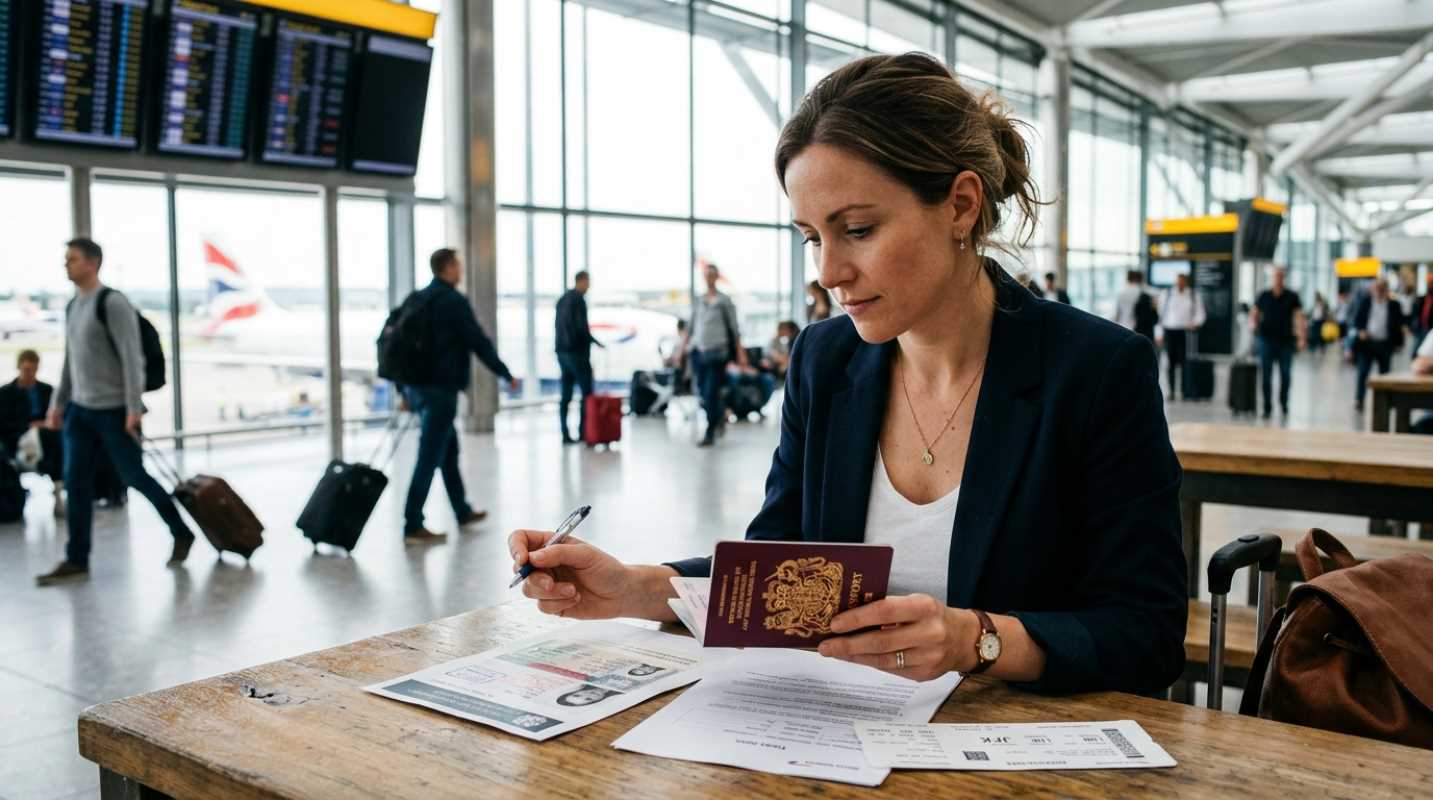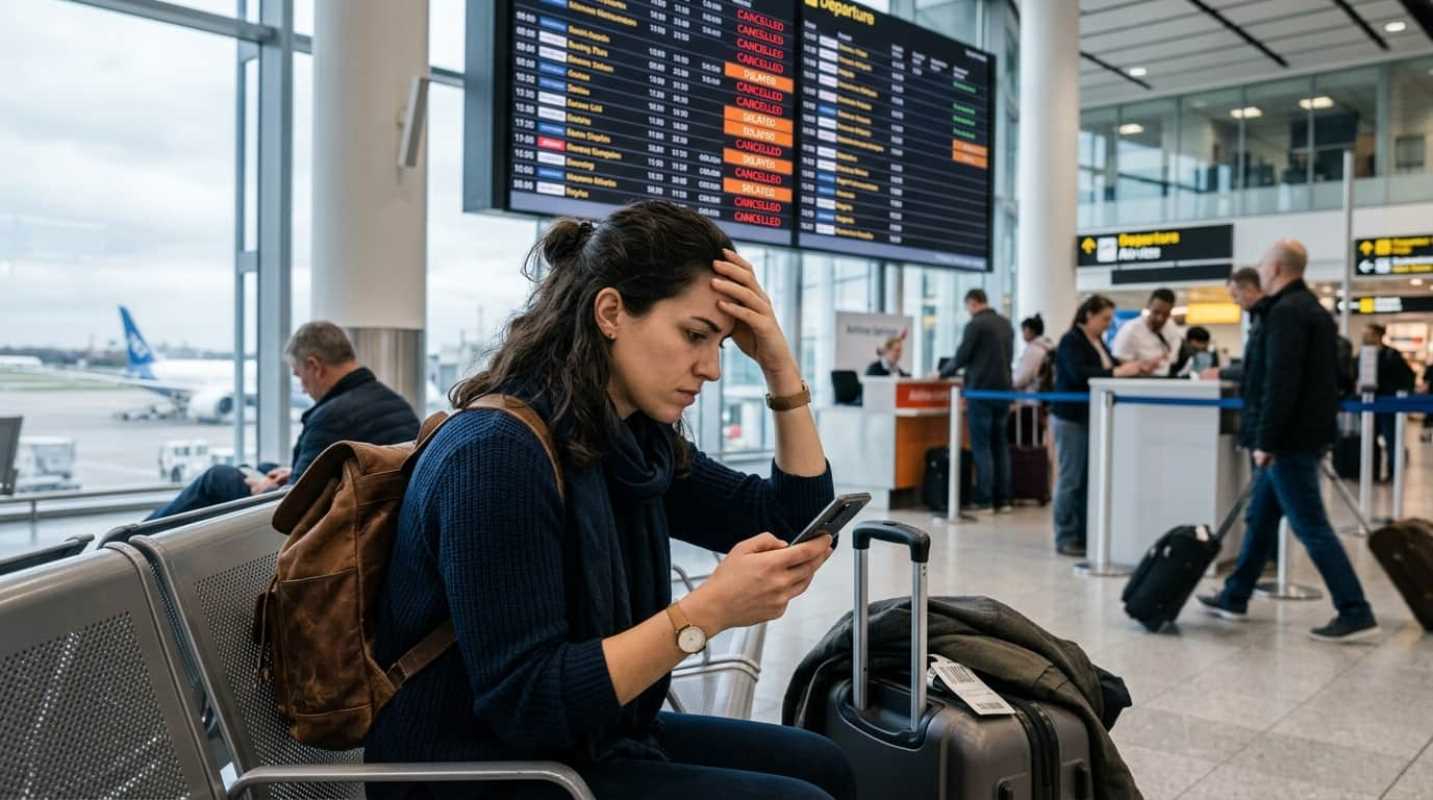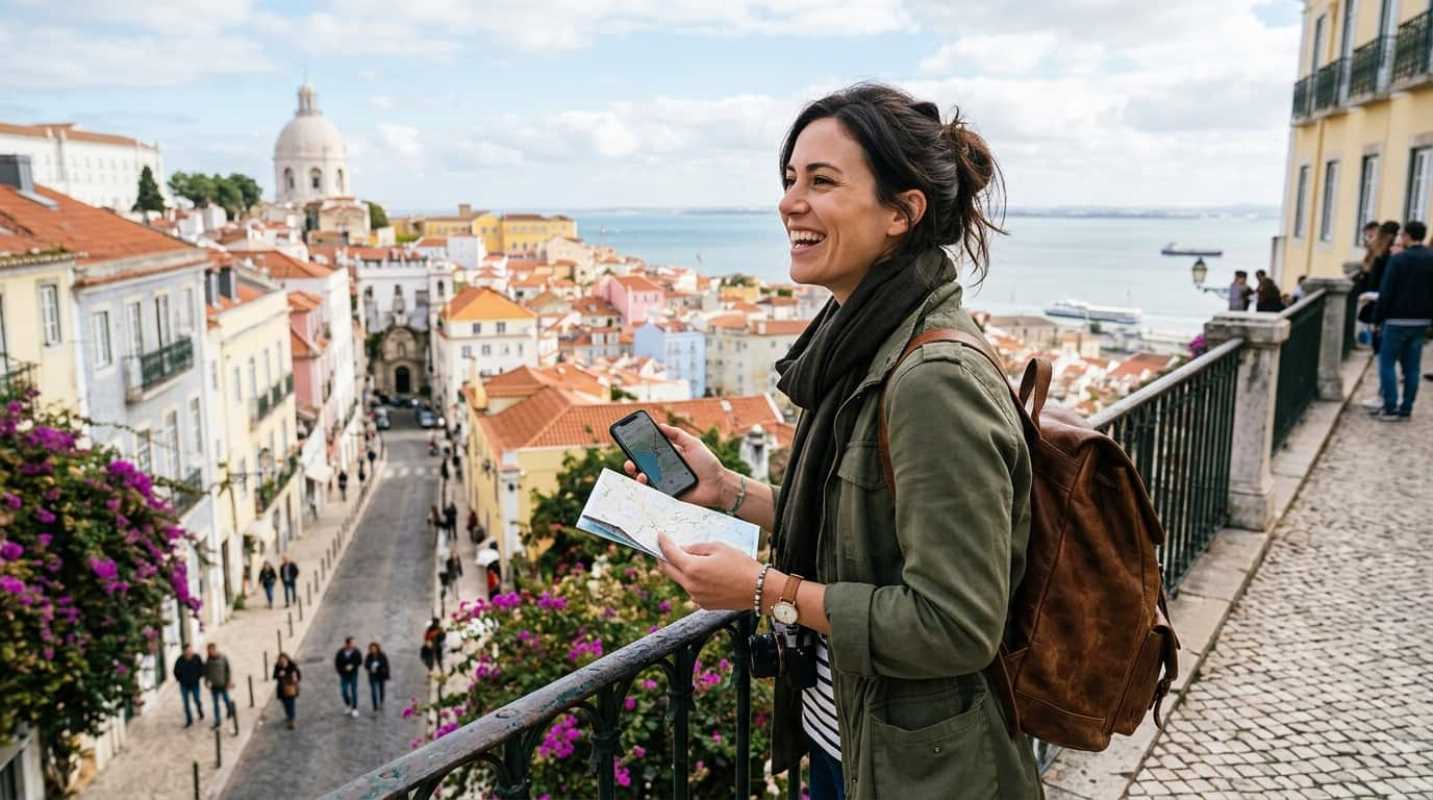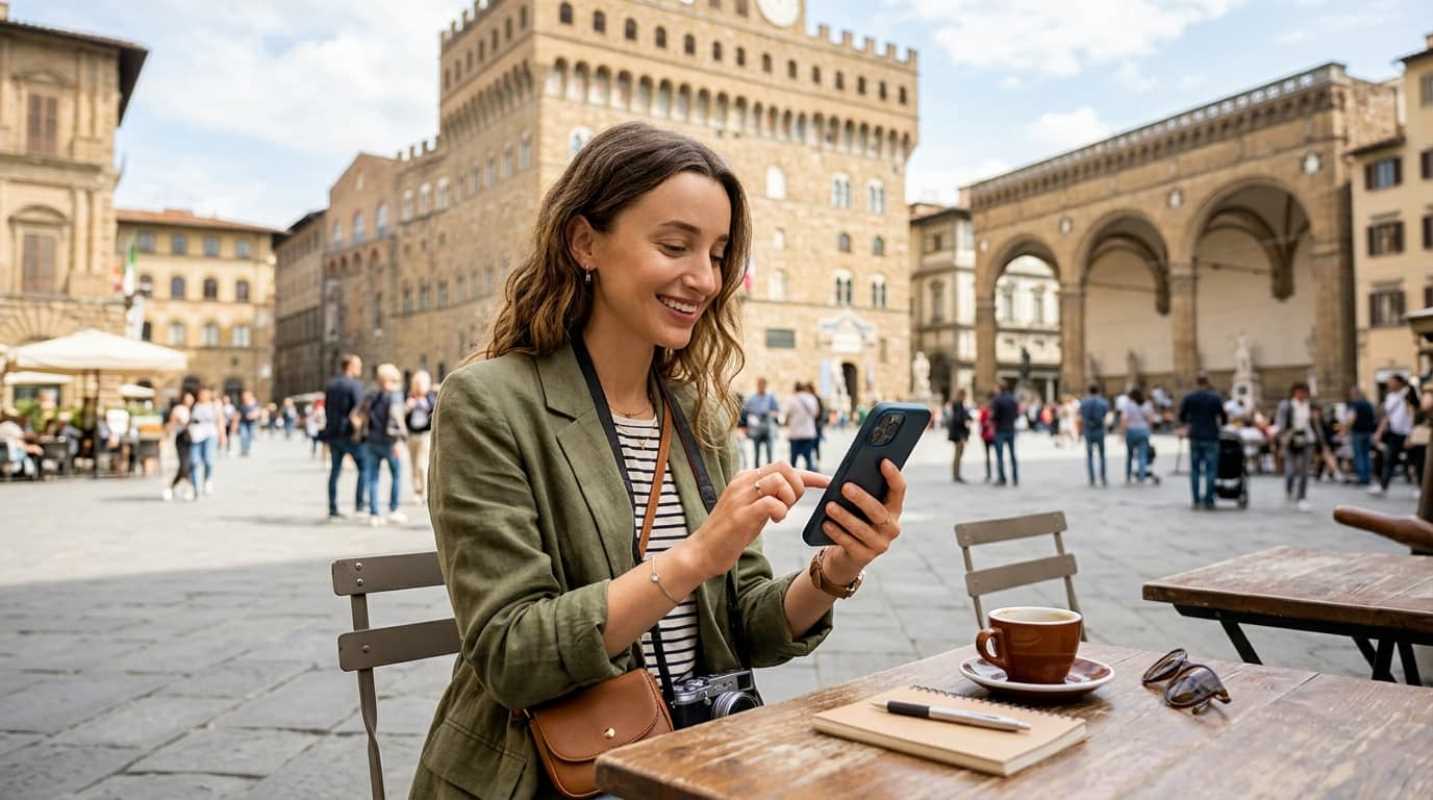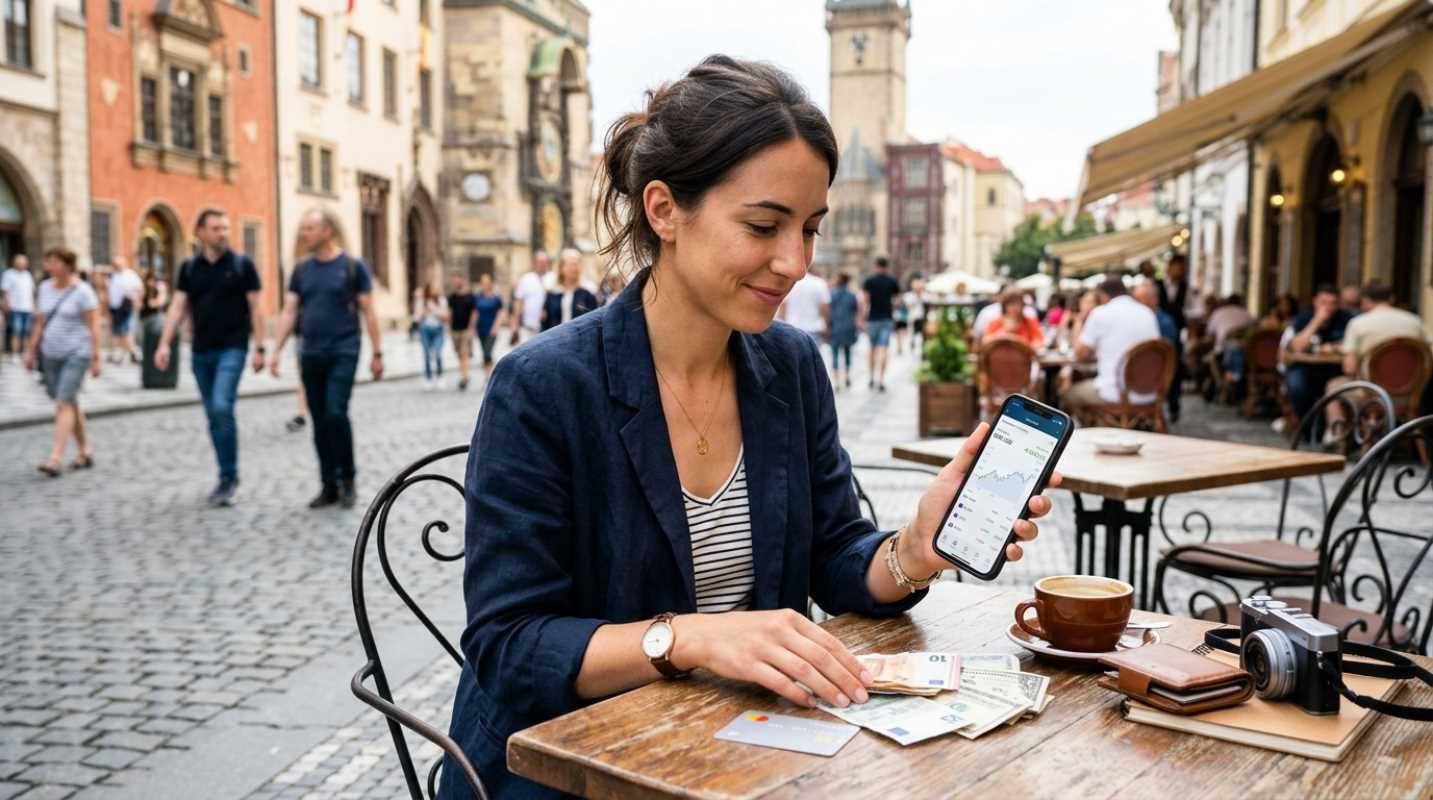
Imagine landing in a beautiful new city, ready to explore, only to realize your wallet is leaking money before you've even left the airport. It happens to thousands of travelers every day. With the international travel boom showing no signs of slowing down, cross-border payments are expected to jump from 194.6 trillion dollars in 2024 to a massive 320 trillion dollars by 2032.¹ That's a lot of money crossing borders, and unfortunately, a lot of it gets lost to hidden fees.
Managing your travel budget doesn't have to be a stressful chore. With a little bit of proactive planning, you can easily avoid the financial traps that catch most tourists off guard.
So where do most people go wrong first? They walk right up to the airport currency exchange kiosk. It's the ultimate rookie mistake.
These booths are the financial equivalent of buying a warm bottle of water at a theme park. You're paying a massive convenience premium because you feel you have no other choice.
Why are they such a bad deal? They often advertise "zero commission" or "no fees" in bold letters. It sounds great, but it's a classic marketing trick.
They make their money by giving you a terrible exchange rate. The markup can easily be 10% to 15% worse than the actual market rate. If you exchange 1,000 dollars, you're handing them 100 to 150 dollars just for standing at their counter. Fortunately, you have choices, and they're much cheaper.
The Golden Rules of Currency Exchange
Let's start with the most expensive trick in the modern travel world. Have you ever been at a restaurant or shop abroad, swiped your card, and had the terminal screen ask if you want to pay in US dollars or the local currency? It looks like a friendly gesture. It's actually a trap called Dynamic Currency Conversion, or DCC.³
When you choose to see the transaction in your home currency, you're giving the local merchant's bank permission to set the exchange rate. They won't give you a good deal. These rates are routinely marked up by 3% to 13% over the real exchange rate.³
In fact, British travelers alone lose an estimated 640 million dollars every year to these sneaky DCC fees.⁴ It's becoming a major headache for travelers worldwide. Google searches for "DCC fee" spiked dramatically between late 2024 and mid-2025 as more people ran into these prompts.⁴
So what does this actually mean in practice? Let's say you're buying a beautiful leather jacket in Florence. The jacket costs 200 Euros.
When you tap your card, the terminal screen asks if you want to pay in US Dollars. If you say yes, the terminal's bank converts the 200 Euros to dollars at their own inflated rate. Instead of paying the equivalent of 215 dollars, you might end up paying 235 dollars. You just paid an extra 20 dollars for the exact same jacket, and you didn't even get a receipt showing the markup.
The golden rule is incredibly simple: always pay in the local currency. If the machine asks, choose Euros, Pesos, Yen, or whatever the local bills are. Your home bank will do the math at the standard network rate, which is almost always much better than the merchant's rate.
Beyond DCC, there are a few other cash rules you should live by
• Use Local ATMs: Skip the currency exchange booths entirely. Your best bet for getting physical cash is using a local bank ATM once you arrive.
• Get Emergency Cash Early: If you're traveling to a cash-heavy country, order a small amount of local currency from your home bank a week before you leave. Having 50 to 100 dollars in cash when you land gives you immediate peace of mind for taxis or small purchases.
• Avoid Tourist ATMs: Stay away from independent ATMs in high-traffic tourist areas, especially those run by companies like Euronet. These machines charge high flat fees and use aggressive DCC prompts with markups as high as 13 percent.⁵ Only use machines physically attached to a major, recognizable local bank.
Navigating Foreign Transaction Fees and Banking Hacks
Before you pack your bags, you need to audit your wallet. Do you know if your current credit or debit cards charge foreign transaction fees?
Many standard cards charge a fee of 1% to 3% on every single purchase made outside your home country.² That might not sound like much, but it adds up fast. If you spend 3,000 dollars on a two-week trip, a 3% fee means you're giving your bank 90 dollars for absolutely nothing.
The solution is to use travel-friendly cards that waive these fees entirely. There are plenty of great options available today, ranging from premium cards with excellent perks to simple, no-annual-fee cards.
Once you have your cards sorted out, there's one more key banking hack: notify your bank of your travel plans. There's nothing worse than having your card declined at a local restaurant because your bank's fraud department flagged the transaction as suspicious. Most banks let you set a travel notice on their mobile app in just a few taps. It takes seconds, but it can save you from a major headache.
Smart Digital Payments and Card Security
We are in 2026, and we're living in an increasingly cashless world. In many destinations across Europe and Asia, you can easily get by without ever touching a physical coin.
Digital wallets like Apple Pay and Google Wallet have made traveling incredibly convenient. They're also highly secure because they use tokenization, meaning your actual card details are never shared with the terminal.
But relying entirely on your phone is a risky move. What if your battery dies? What if your phone gets lost or stolen? You always need a backup plan.
To keep your funds secure while you're on the move, follow these security practices
• Carry Multiple Cards: Never keep all your cards in one place. Leave a backup card in your hotel room safe so you're never completely stranded if your wallet gets lost.
• Mix Your Networks: Carry a mix of Visa and Mastercard. Although other networks are great, they're not as widely accepted internationally.
• Keep Your Card in Sight: Never let a waiter walk away with your card. If they don't have a portable reader, walk to the counter with them to pay.
Travel Confidently with Your Finances
Taking control of your travel finances is simple. Set up smart systems before you leave so you don't have to think about money during your trip.
When you choose the right cards, avoid the airport booths, and always say no to DCC, you protect your travel budget. That means more money for delicious meals, unique tours, and memorable experiences.
So do your prep work, pack your bags, and head out with confidence. Your wallet will thank you.
Sources:
1. JPMorgan FX Trends
https://www.jpmorgan.com/insights/payments/fx-cross-border/2025-trends-for-financial-institutions
2. Holafly Debit Card Tips
https://esim.holafly.com/travel-tips/debit-card-without-foreign-transaction-fee/
3. Bankrate DCC Guide
https://www.bankrate.com/credit-cards/advice/say-no-to-dynamic-currency-conversion/
4. FXC Intelligence DCC Analysis
https://www.fxcintel.com/research/analysis/dcc-fee-interest
5. Wise Euronet ATM Guide
https://wise.com/gb/blog/euronet-atms
*This article on Tikritics is for informational and educational purposes only. Readers are encouraged to consult qualified professionals and verify details with official sources before making decisions. This content does not constitute professional advice.*