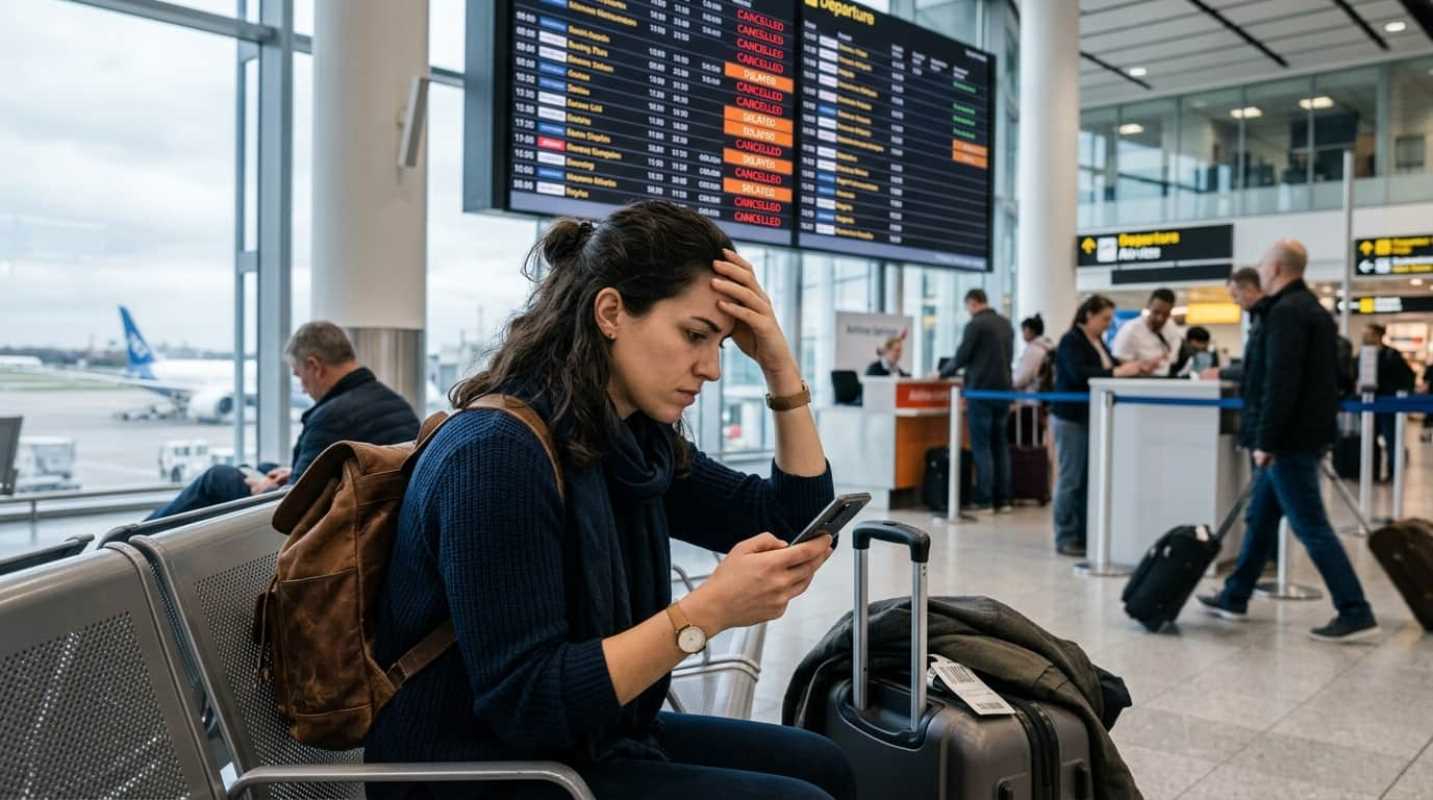
How many times have you found yourself staring at a flight itinerary, sighing at a seven-hour gap between connections? You probably picture yourself slumped in an uncomfortable terminal chair, nursing an overpriced, lukewarm coffee. But what if you changed your perspective? Instead of looking at a connection as dead time, think of it as a free opportunity to explore a brand-new city. In 2026, smart travelers are turning these gaps into mini adventures. With travel costs still high, travel industry data shows that 31% of travelers find trips too expensive.¹ This has driven a massive surge in "two-for-one" destination bookings.
Booking flights with long connections is actually a brilliant budget hack. These flights are often $300 to $600 cheaper than direct routes. When you pair them with airline stopover programs, you can yield an additional $200 to $600 in free accommodation and experiences. If you play your cards right, you'll save money on your ticket and get a whole extra city break for free. The difference between a stressful wait and a mini adventure is simply a bit of planning and a shift in how you view the clock.
Logistics First for Long Layover Success
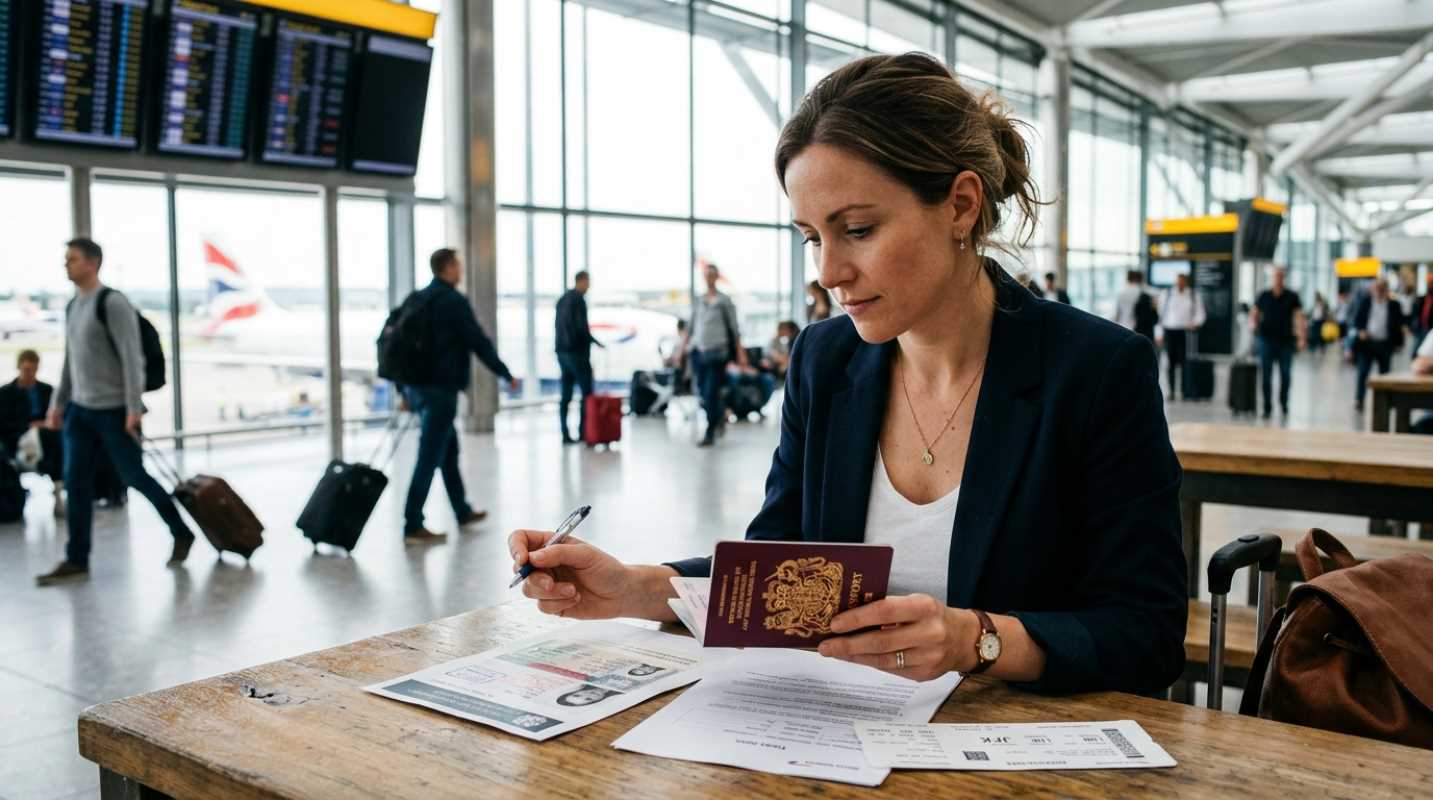
You can't just walk out of any airport on a whim. Before you head for the exit, you need to handle the boring but needed details. The first step is understanding the difference between a layover and a stopover. A layover is a connection lasting under 24 hours, while a stopover is a planned break of 24 hours or more.²
If you want to leave the airport during a standard layover, you must follow the nine-hour rule.² Why nine hours? Because time disappears quickly when you are dealing with airport logistics. Here is how that time actually breaks down
• Deplaning and immigration: This easily takes 1.5 to 2 hours.
• Transit to the city center and back: Budget at least 1 to 2 hours, depending on the city.
• Security buffer for your next flight: You need 3 hours for international connections.
• Actual exploration time: This leaves you with a solid 2 to 3 hours to enjoy.
Anything less than seven hours is a massive gamble, especially at giant international hubs.
You also need to check entry regulations before you travel. Like, if you are transiting through Europe, travelers from visa-exempt countries (including the U.S.) must have an approved ETIAS authorization, which costs €20 (or about $8 USD).⁴ On the flip side, China has expanded its Transit Without Visa policy to 240 hours (that is, a full 10 days) for citizens of 55 countries, including the U.S., UK, Canada, and the EU. Under this approach, if you fly from Country A to China, and then to Country C, you can explore entire Chinese regions completely visa-free.⁴
Finally, manage your bags. If you booked your journey on a single ticket, your checked bags go straight to your final destination. You only need a light daypack with your needs. If you booked separate tickets, you must collect your bags, clear customs, and re-check them. This adds at least two hours to your transit time and requires a standard entry visa.
Creating Your Perfect Layover City Guide
When you only have a few hours, you can't see everything. Do not try to check off a ten-item sightseeing list. Instead, pick one major landmark or cultural experience and build your short trip around it.
To make this work, you must avoid taxis. Traffic is too unpredictable, and a single gridlock can cause you to miss your flight. Focus on airports with direct, high-speed rail links to the city center.
• Copenhagen: A quick 15-minute train gets you right to the city center.
• Hong Kong: The Airport Express takes just 24 minutes.
• London Heathrow: The Heathrow Express whisks you to Paddington in 15 minutes.
• Tokyo Haneda: The Tokyo Monorail connects you to Hamamatsucho in 13 minutes.
If your bags are not checked through, do not drag them around the city. Use airport left-luggage desks or download apps like Bounce, Radical Storage, or Nannybag. These apps let you store your bags securely in local shops and hotels near the central train station.
For food, skip the sit-down tourist traps. Look for high-quality, quick-service local spots near the main transit hubs. Keep things moving, and use offline maps on your phone so you don't waste precious minutes looking for Wi-Fi. If you don't want to handle a new city alone, take advantage of free, official transit tours organized directly by airports like Seoul Incheon, Tokyo Narita, and Taiwan Taoyuan.
What to Do During a Layover If You Stay Airside
Sometimes, the clock is against you, or visa restrictions mean you can't leave the terminal. That doesn't mean you have to suffer. You can still make the most of your time inside the airport gates.
First, look at your airport options. Some terminals are destinations in their own right.
• Singapore Changi: This airport has a massive indoor waterfall, a rooftop pool, and butterfly gardens.
• Seoul Incheon: Known for its incredible sleepability, featuring free quiet rest zones, nap cabins, and hot showers.
• Portland International: A top-rated U.S. airport with indoor trees, local microbreweries, and live music.⁵
If you don't have airport lounge access through your credit card, do not worry. Lounges are experiencing historic crowding, so you might want a backup plan anyway. Look into booking an airport sleep pod through services like YOTELAIR or Minute Suites. Alternatively, pay a one-time fee to use an airport gym or spa to refresh yourself between long flights.⁵
Turning the Layover Into a Travel Tradition
Once you successfully pull off your first layover adventure, your entire approach to booking flights will change. You'll start looking for flights with longer stopovers on purpose. It becomes a game of how much value you can squeeze out of a single ticket.
These mini adventures are also incredible for building your confidence, especially if you travel solo. Navigating a new transit system, ordering local food in a rush, and getting back to the gate on time is an absolute rush. You'll collect memories and photos from places you might never have booked a dedicated week-long trip to see.
If you want to plan an intentional stopover, several airlines offer programs that make the process incredibly easy and cheap. Here are some of the best programs to look out for
• Turkish Airlines: If you have a connection of 20 hours or more in Istanbul, you can get a free hotel stay (one night for economy, two nights for business). For shorter layovers of 6 to 24 hours, they offer free guided city tours that include bus transit and meals.³
• Qatar Airways: Their stopover program lets you book luxury four-star hotel stays in Doha starting at just $14 per night for up to four nights.³
• Singapore Airlines: Premium passengers can get free hotel stays and vouchers, while economy passengers can get free city tours if their layover is over five hours.
• Etihad Airways: This program offers up to two free nights at select hotels in Abu Dhabi.³
• Lufthansa: A program allows you to stop in Munich for 24 hours up to seven days on a single booking.
• Icelandair: You can stop in Reykjavik for one to seven days with absolutely no additional airfare.
Sources:
1. The Points Guy 2025/2026 Travel Trends
https://2025trends.thepointsguy.com/
2. Going - How to Book a Long Layover
https://www.going.com/guides/how-to-book-a-long-layover
3. Air Traveler Club - Airline Stopover Programs
https://www.airtraveler.club/blog/airline-stopover-programs/
4. Terrana - Transit Visas for International Flights
https://terrana.org/articles/29/transit-visas-for-international-flights
5. Business Insider - Ways to Make Airport Layovers Better
https://www.businessinsider.com/ways-airport-layovers-better-tips-frequent-traveler