Have you ever scrolled through social media and felt a sudden pinch of jealousy? It's incredibly easy to look at five-star infinity pools, private villas, and first-class cabins and think that you need a fortune to truly experience the world. But that's a complete myth. The reality of modern travel is that spending more money doesn't guarantee a better trip. Often, it just builds a physical wall between you and the actual culture of the place you came to see. When you stay in a sterile luxury resort, you could be anywhere in the world.
A successful trip is about the quality of your experiences, not the thread count of your hotel sheets. You can explore incredible places, eat unforgettable food, and make memories that last a lifetime without draining your bank account.
Recent data shows that many of us are rethinking our spending. In fact, Deloitte’s Summer Travel Survey found that 31% of travelers are actively adjusting their habits to be more budget-conscious, while 25% are choosing more affordable destinations to cope with rising costs.¹
So, how do you join them without feeling like you're cutting corners? It starts with a simple shift in how you plan.
Strategic Planning and Affordable Travel Hacks
The easiest way to save money is to let your budget dictate the destination and dates, rather than the other way around. If you're locked into a specific week in July to visit a popular European capital, you'll pay peak prices.
If you're willing to fly during the shoulder seasons, like April to May or September to October, you'll find a completely different world. Hotel rates and flights are 20% to 40% cheaper, and you can actually see the sights without fighting through massive crowds.
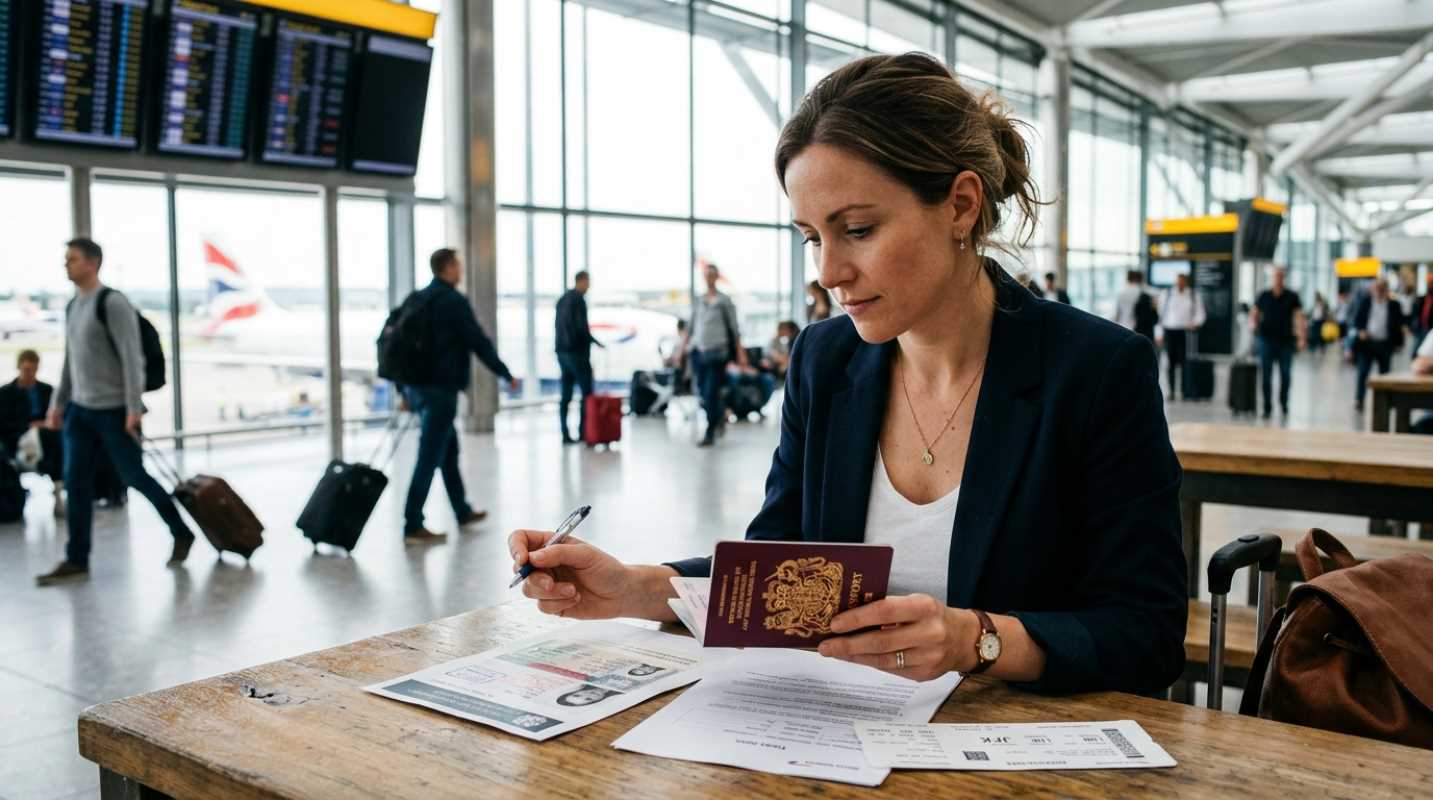
Then there's the scheduling of the flights themselves. Forget the old, outdated advice about booking on a Tuesday at midnight. Flight pricing algorithms have changed.
Data from Expedia’s 2026 Air Hacks Report reveals that Fridays are now the cheapest day to book both domestic and international flights.² Booking on a Friday can save you between 8% and 14% compared to Sunday, which has become the most expensive booking day.
For flying, Tuesday is the cheapest day for domestic flights, while Friday is the sweet spot for international departures. If you fly midweek, Google Flights data shows you'll save about 13% compared to weekend travel.
You should also pay attention to the booking window. Booking your economy flights four to six weeks in advance can save you an average of $40 on domestic trips and $140 on international flights.³
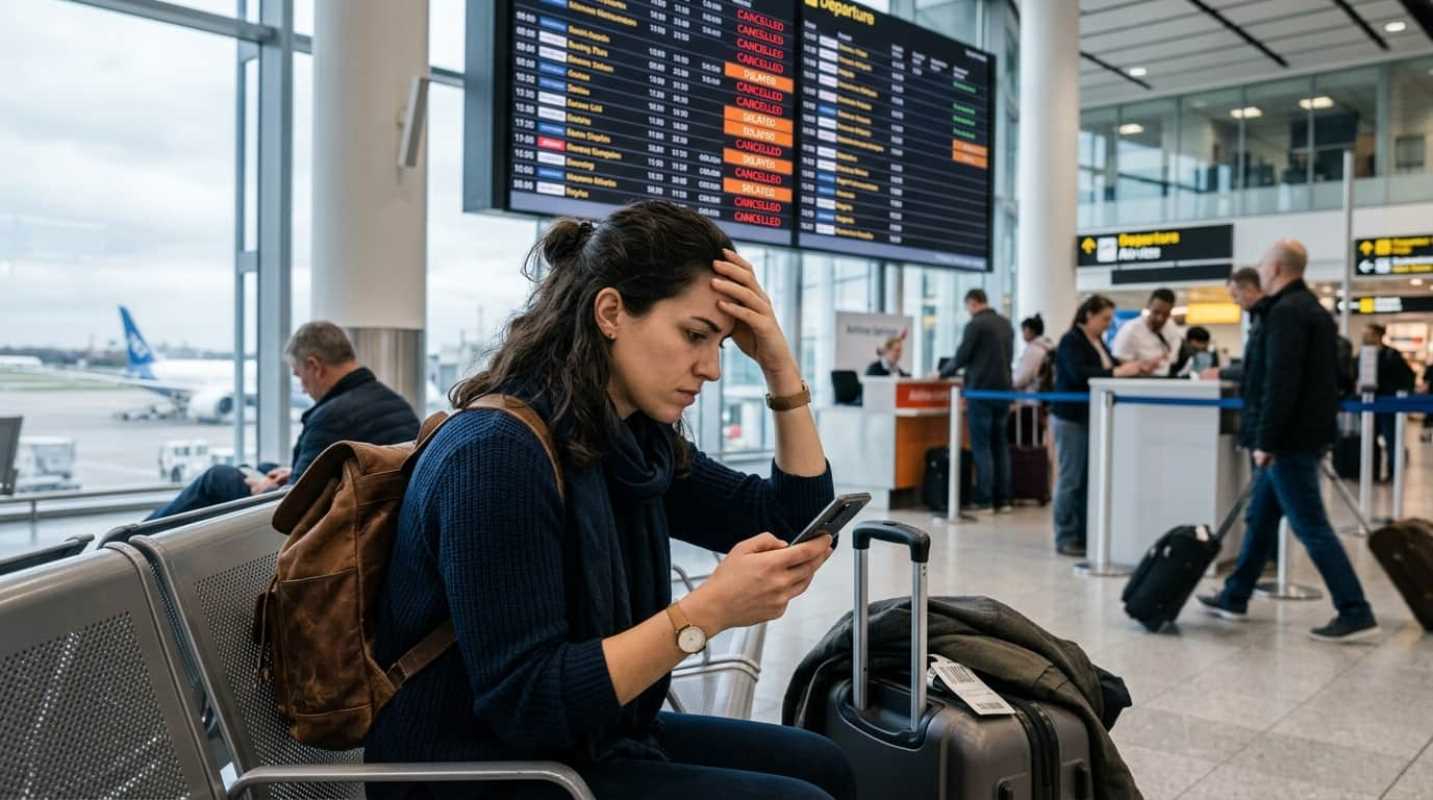
Finally, make sure to book morning flights departing between 9:00 AM and 3:00 PM. Flights scheduled after 9:00 PM have a 57% higher chance of being delayed or canceled.³
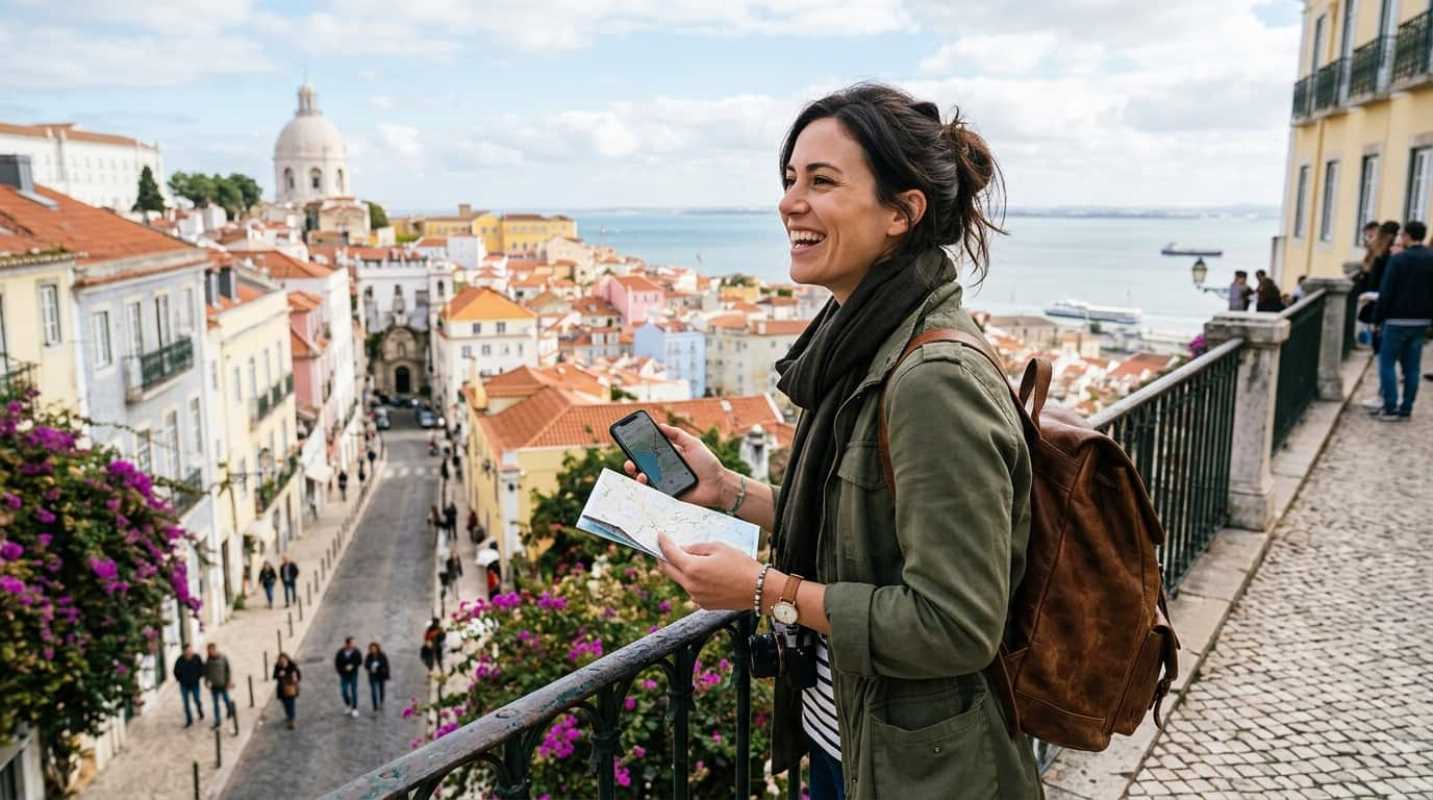
If you want to make your money go even further, choose destinations where your currency has more purchasing power. Countries in Southeast Asia like Vietnam or Thailand, or Eastern European gems like Hungary and Poland, offer incredible value. You can easily live comfortably on $75 a day in these places without feeling like you're restricting yourself.⁴
You can also use generative AI to help you find these sweet spots. Instead of picking a city first, ask an AI tool to suggest beach vacations or historic city breaks under a specific budget. It's the digital equivalent of having a personal travel agent who works for free.
Living Like a Local with Accommodation and Transport Hacks
Lodging is usually your biggest trip expense, but you don't have to settle for a sterile, overpriced hotel room.
Have you looked at modern hostels lately? The old image of cramped dorm rooms is gone. Today, boutique hostels offer private rooms, ensuite bathrooms, and chic co-working spaces for $20 to $40 a night. You get the social vibe of a hostel with the privacy of a hotel.
If you want to save even more, try the transit ring approach. Instead of booking a hotel in the noisy tourist center, look for lodging two to three subway stops outside the core. You'll save up to 40% on your room, enjoy quieter nights, and get a taste of real local life, all while staying just a short train ride from the main attractions.
For longer trips, platforms like TrustedHousesitters let you stay in beautiful homes for free in exchange for watching someone's pet. It's a brilliant way to cut out your accommodation costs entirely.
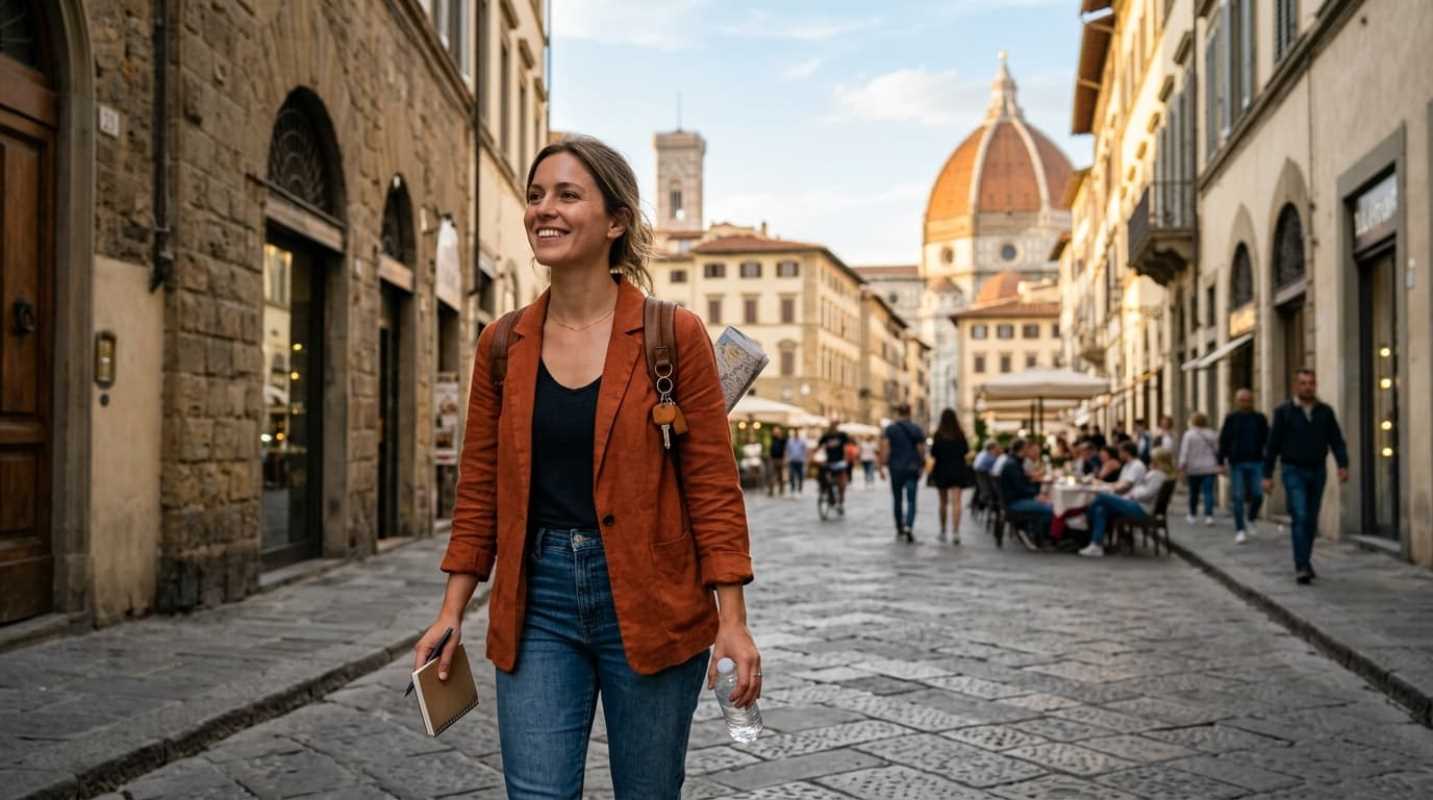
Once you arrive, skip the expensive taxis. Navigating public transport is easier than ever with transit apps, and it costs a fraction of a ride-share. Better yet, just walk. Walking is completely free, and it's the absolute best way to discover those hidden cafes and quiet alleys that you'd otherwise miss from the window of a cab.
Dining Without the Tourist Tax
We've all been there: sitting at a cafe right next to a famous landmark, paying triple the price for mediocre food. That's the tourist tax, and it's incredibly easy to avoid.
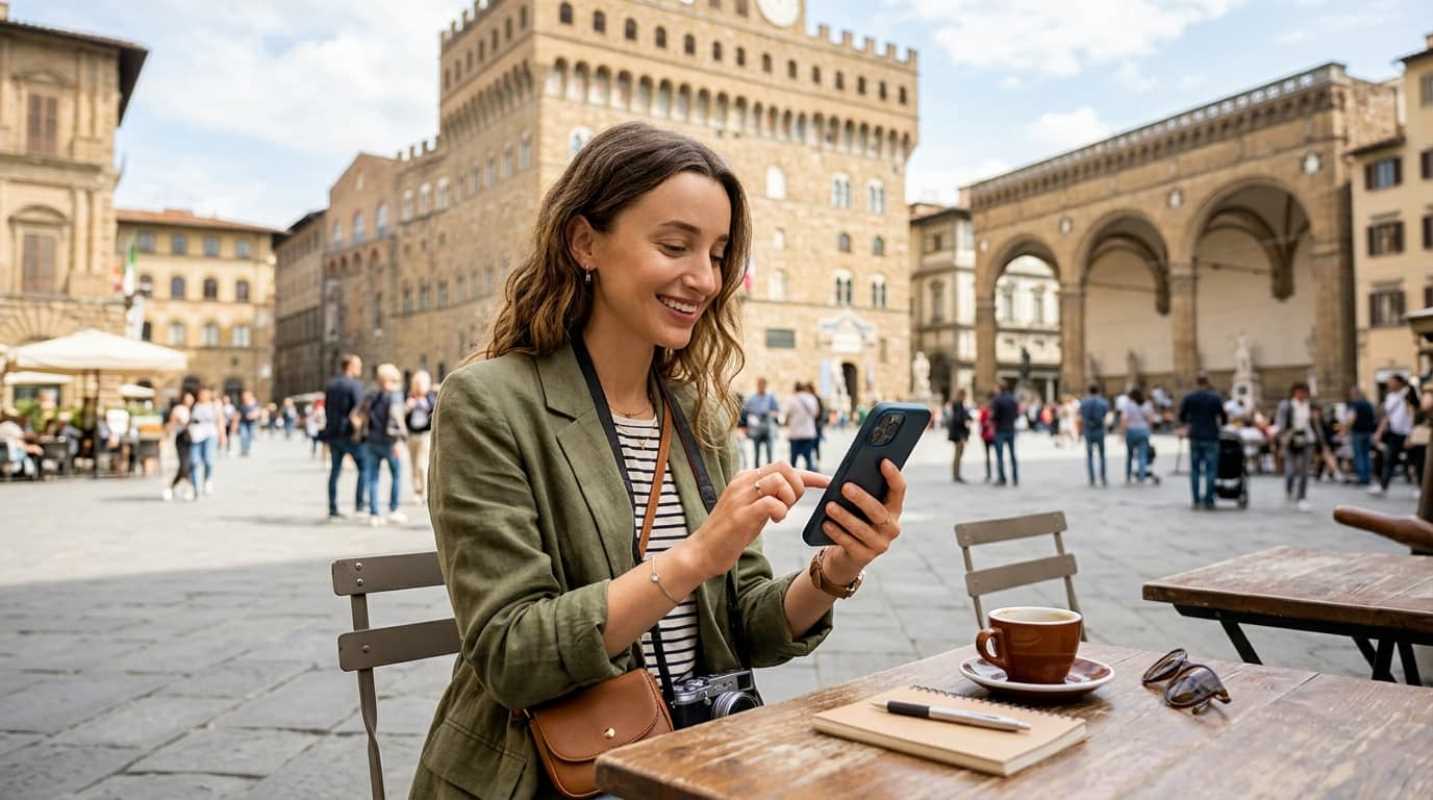
To find the best meals, use the back-alley dining rule. Walk at least three blocks away from major tourist attractions and look for places where the menus aren't translated into five different languages. If the restaurant is packed with locals, you've hit the jackpot. The food will be more authentic, and it'll easily be 50% cheaper.
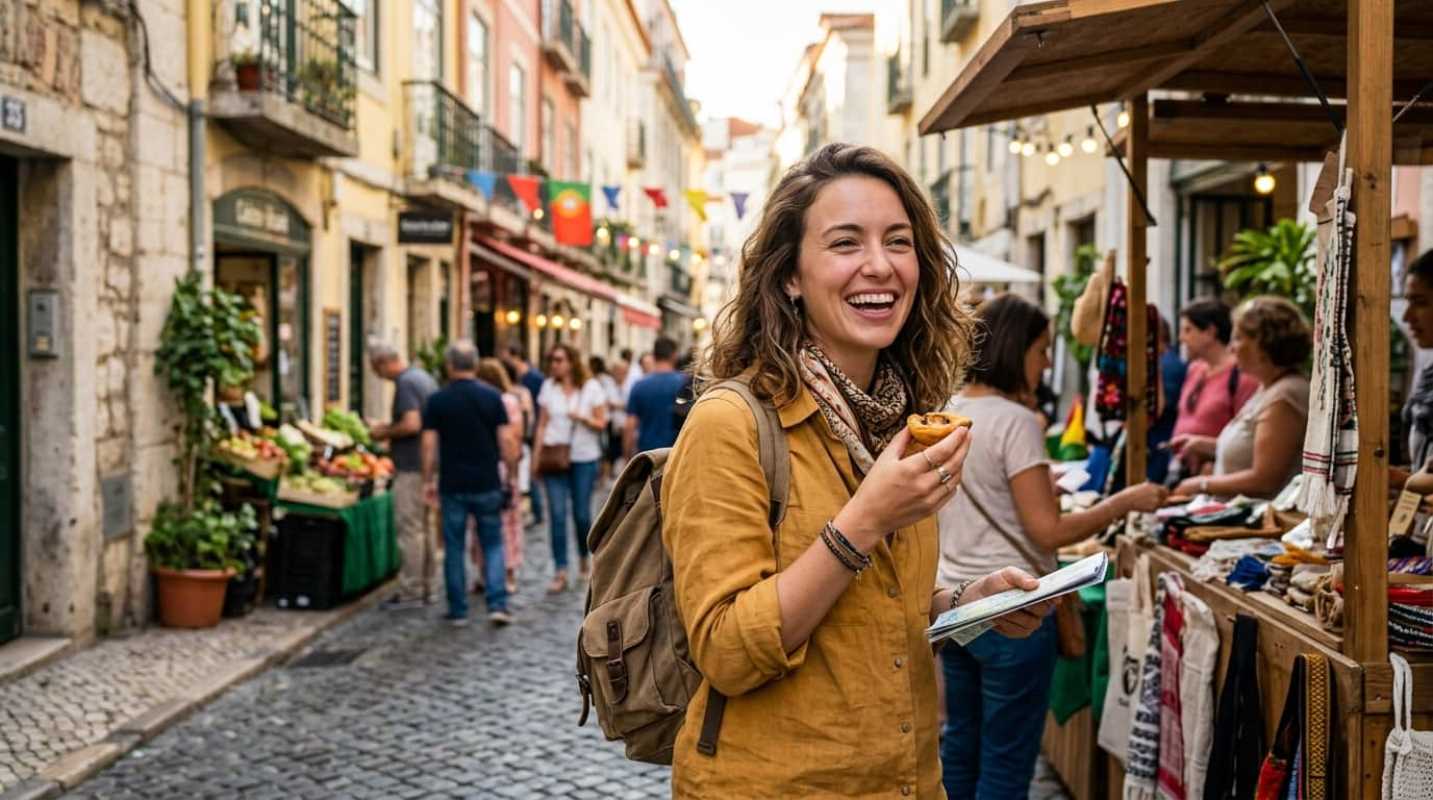
Don't be afraid of street food, either. In places like Bangkok, Hanoi, or Mexico City, the best food is cooked right on the sidewalk. It's fresh, delicious, and costs just a few dollars.
You can also strike a balance by visiting local markets. Grab some fresh bread, cheese, and fruit for a scenic picnic lunch, then spend your money on a nice dinner. Cooking just one simple meal a day in your hostel or apartment kitchen keeps your food budget under control while making your restaurant meals feel like a true treat.
Curating Experiences and Finding Value Everywhere
You don't need to buy expensive tour packages to have a rich itinerary. Most major cities around the world offer free walking tours. These are led by local guides who work for tips, and they are the perfect way to get your bearings and hear stories you won't find in guidebooks.
Many world-class museums also have free admission days or offer discounted tickets if you book during specific evening hours.
To keep your budget balanced without feeling deprived, use the one splurge rule. Focus 70% of your itinerary on free or cheap activities like exploring public parks, hiking, and visiting local markets. Then, use your savings to comfortably splurge on one high-value experience, whether that's a cooking class, a scenic boat ride, or a special dinner.
This approach keeps your trip exciting. You get the thrill of a luxury experience without the financial hangover.
Top Recommendations for Budget Travelers
Let's look at how modern travel hacks compare to old, outdated advice:
• Booking Flights: Old advice was to book on Tuesday at midnight. The modern hack is to book on a Friday, and plan to fly on a Tuesday (for domestic) or Friday (for international) to save 8% to 14% on airfare.² ³
• Booking Window: Old advice was to book six months ahead. The modern hack is to book four to six weeks before departure to save up to $140 on international flights.³
• Where to Stay: Old advice was to find cheap, low-quality motels. The modern hack is to use boutique hostels or the transit ring approach to save 30% to 50% on lodging.
• Where to Eat: Old advice was fast food or tourist cafes. The modern hack is to eat street food and shop at local neighborhood markets for meals that are 50% cheaper and far more authentic.
The Freedom of Financial Confidence
Traveling on a budget doesn't mean deprivation. Real budget travel means making deliberate, smart choices so you can travel longer and more often.
When you stop paying for unnecessary luxuries, you open yourself up to more meaningful interactions. You'll remember the conversation you had with a local street food vendor long after you've forgotten the lobby of a pricey hotel.
By focusing on flexibility, local integration, and smart booking approaches, you can build a sustainable way to see the world. You'll return home with a pocket full of memories and a bank account that is still intact. That's the ultimate travel luxury.
Sources:
1. Deloitte 2026 Summer Travel Trends Survey
https://www.deloitte.com/us/en/insights/industry/transportation/2026-summer-travel-trends-survey.html
2. CBS19 - Expedia 2026 Air Travel Hacks
https://www.cbs19.tv/video/news/local/expedia-2026-air-travel-hacks/501-1099d03e-a717-45e4-9d1a-f526701caaf0
3. Multivu - Expedia 2025 Air Travel Hacks Report
https://www.multivu.com/expedia/9272154-en-expedia-2025-air-travel-hacks-report
4. Apple Podcasts - Nomadic Matt Kepnes on Traveling the World for $75 a Day
https://podcasts.apple.com/us/podcast/nomadic-matt-kepnes-on-traveling-the-world-for-%2475-a-day/id794030859?i=1000701026087