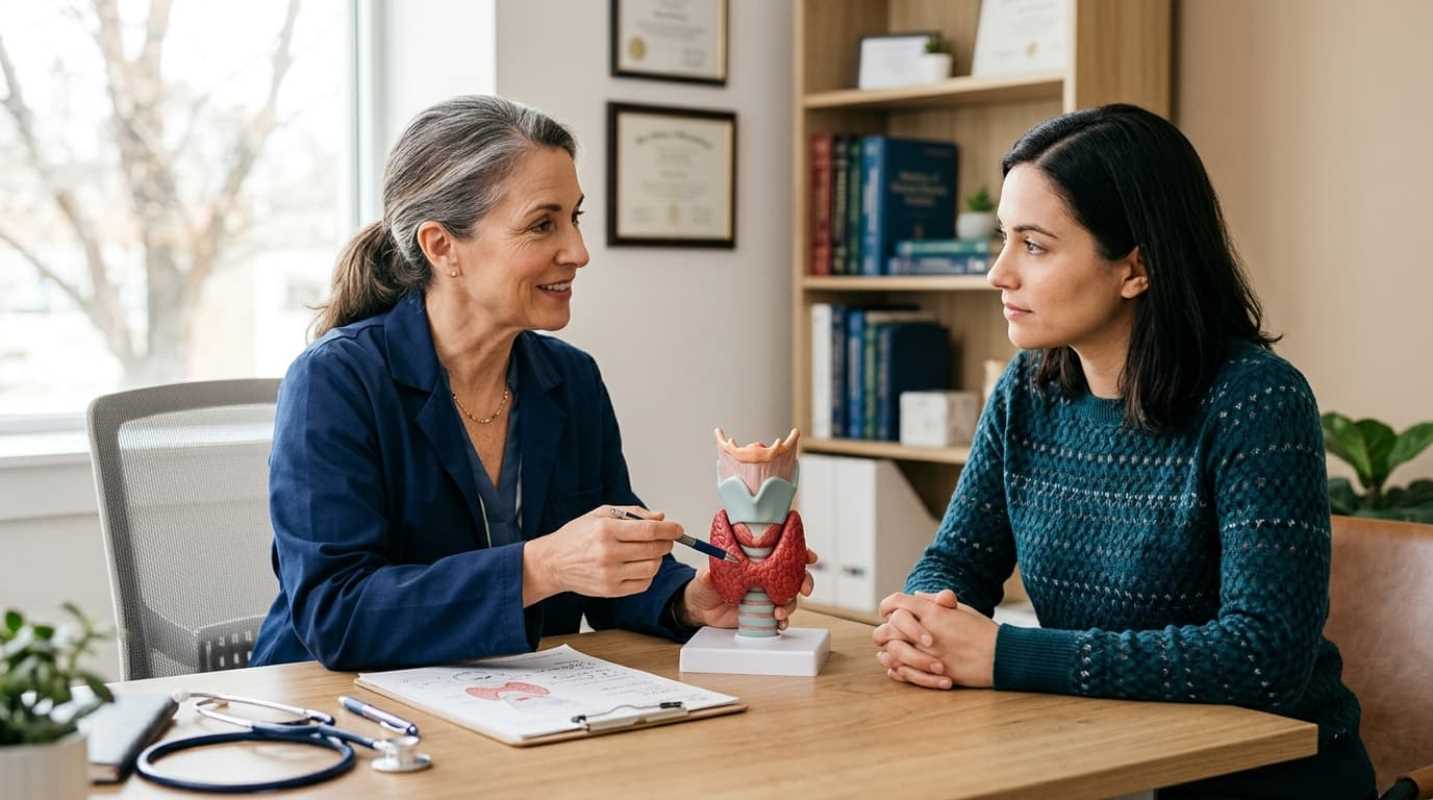
Think of your body like a high-performance car. You wouldn't wait for the engine to start smoking on the highway before you finally get an oil change. Yet, many of us treat our physical health exactly that way, only booking a doctor's visit when something goes wrong.
Preventive health screenings are about changing that dynamic. They are a proactive approach to catch issues before they turn into full-blown crises.¹
Historically, medicine was mostly about reacting to symptoms. Today, the focus has shifted toward routine tests designed to help you live a longer, healthier life. Investing a little time in age-based health checks right now is the best gift you can give your future self.
Establishing Your Baseline in Your 20s and 30s
When you're in your 20s and 30s, you probably feel invincible. It's easy to skip the doctor when your energy is high, but this is the exact time to establish your baseline health metrics. Catching silent issues early sets a strong foundation for healthy aging.
First, you need to know your numbers. High blood pressure and cholesterol don't usually have obvious symptoms, but they can quietly damage your blood vessels over time.
Here is what you should focus on during these decades
• Blood pressure checks: Get your blood pressure checked every three to five years if your numbers are normal (under 120/80 mmHg). If you have risk factors like being overweight, make it an annual check.
• Cholesterol and metabolic health: Standard guidelines recommend getting a baseline cholesterol check. Also, the screening age for prediabetes and type 2 diabetes is 35. If you are overweight or obese, you should get screened every three years.
• Reproductive health: Cervical cancer screenings should start at age 21 for anyone with a cervix. Get a Pap smear every three years during your 20s. Once you hit 30, you can stick with a Pap smear every three years, switch to a high-risk HPV test every five years, or do both together every five years.
• Infection and mental health screenings: You should get screened for HIV at least once, and get annual checks for chlamydia and gonorrhea if you are sexually active and under 25. Don't ignore your mind, either. Routine screenings for depression and anxiety matter parts of modern preventive care.
Detecting Changes Early in Your 40s and 50s
Your 40s and 50s are a time when your body undergoes significant biological shifts. Life stressors peak, hormones change, and your risk for cardiovascular issues and cancer starts to climb. This is the decade where screening guidelines have seen some of the biggest recent updates.
Like, breast cancer screening guidelines changed to recommend biennial mammograms starting at age 40 instead of 50.² This shift helps address rising rates in younger women and serious racial disparities in outcomes.
Here are the important screenings for this phase of life
• Mammograms: If you are a woman or were assigned female at birth, you should get a screening mammogram every other year starting at age 40 through age 74.²
• Colorectal cancer screening: You should start screening for colorectal cancer at age 45. You can choose a colonoscopy every 10 years or go with stool-based tests every one to three years. This lower starting age opened up screening to millions of younger adults, which is important because early-onset colorectal cancers have been rising.
• Cardiovascular risk assessments: Guidelines now support using non-fasting lipid panels to check your cholesterol, which means no more starving yourself before your morning blood draw. If you are between 40 and 75 and have cardiovascular risk factors like high blood pressure or diabetes, talk to your doctor about whether a low-dose statin makes sense for you.
• Lung cancer screening: If you are between 50 and 80 and have a history of heavy smoking (specifically a 20 pack-year history), you should get an annual low-dose CT scan.
Maintaining Quality of Life at 60 and Beyond
Once you reach 60, the goal of preventive care is all about maintaining your independence, , and quality of life. This is when we focus heavily on protecting your bones, your senses, and your cognitive health.
A major update in 2025 reaffirmed that all women aged 65 and older should get a bone density scan (DXA) to screen for osteoporosis and prevent fractures.³ If you are postmenopausal and younger than 65, you might still need this scan if you have specific risk factors.
Let us look at what else you need to watch out for
• Osteoporosis scans: Women aged 65 and older need a DXA scan to check bone strength.³
• Abdominal aortic aneurysm screening: Men aged 65 to 75 who have ever smoked should get a one-time ultrasound to check for dangerous swelling in the main abdominal artery.
• Vaccines for longevity: Get the two-dose shingles vaccine starting at age 50. Once you turn 65, make sure you get the pneumococcal vaccine to protect against severe pneumonia.
• Sensory and cognitive checks: Keep tabs on your vision, hearing, and memory. These checks are not always automated, so you need to bring them up with your doctor.
So, when do you stop screening? As we age, the potential downsides of invasive follow-up tests can sometimes outweigh the benefits. For average-risk individuals, you can generally stop cervical screenings at 65, breast screenings at 74, and colorectal screenings by 75 or 85 depending on your personal health history.
Understanding the Healthcare System with Confidence
Walking into a doctor's office can feel a lot of, especially when you're trying to remember a long list of tests. The best way to handle this is to treat your primary care physician as a partner.
Do you feel fine? That's great, but don't let that feeling trick you into skipping your appointments. Many of the most serious health conditions, like high blood pressure and early-stage cancers, don't usually make noise until they are advanced.
When you go in, ask your doctor about your specific risk profile. Your family history might mean you need to start some of these screenings much earlier than the standard guidelines suggest.
Fortunately, most health insurance plans cover these basic preventive screenings at no cost to you. Under modern healthcare standards, services like mammograms, colonoscopies, and basic blood pressure checks are usually fully covered as part of your wellness benefits.
To help you get organized and take action on these guidelines, here are some key resources and tools to get you started.
Consistency is Your Greatest Asset
At the end of the day, managing your health is a lifelong journey. There is no single finish line. Instead, it's about making small, consistent choices that protect your future.
Knowing your numbers and staying on top of your screenings gives you something incredibly valuable: peace of mind. You don't have to wonder or worry about what might be happening under the surface.
Take a moment to look at your calendar. If you are overdue for a physical or a specific age-based screening, pick up the phone and schedule that appointment today. Your future self will thank you.
Sources:
1. CDC Preventive Care Benefits
https://www.cdc.gov/chronic-disease/prevention/preventive-care.html
2. USPSTF Breast Cancer Screening Recommendation
https://www.uspreventiveservicestaskforce.org/uspstf/recommendation/breast-cancer-screening
3. USPSTF Osteoporosis Screening Recommendation
https://www.uspreventiveservicestaskforce.org/uspstf/announcements/final-recommendation-statement-screening-osteoporosis
*This article on Tikritics is for informational and educational purposes only. Readers are encouraged to consult qualified professionals and verify details with official sources before making decisions. This content does not constitute professional advice.*