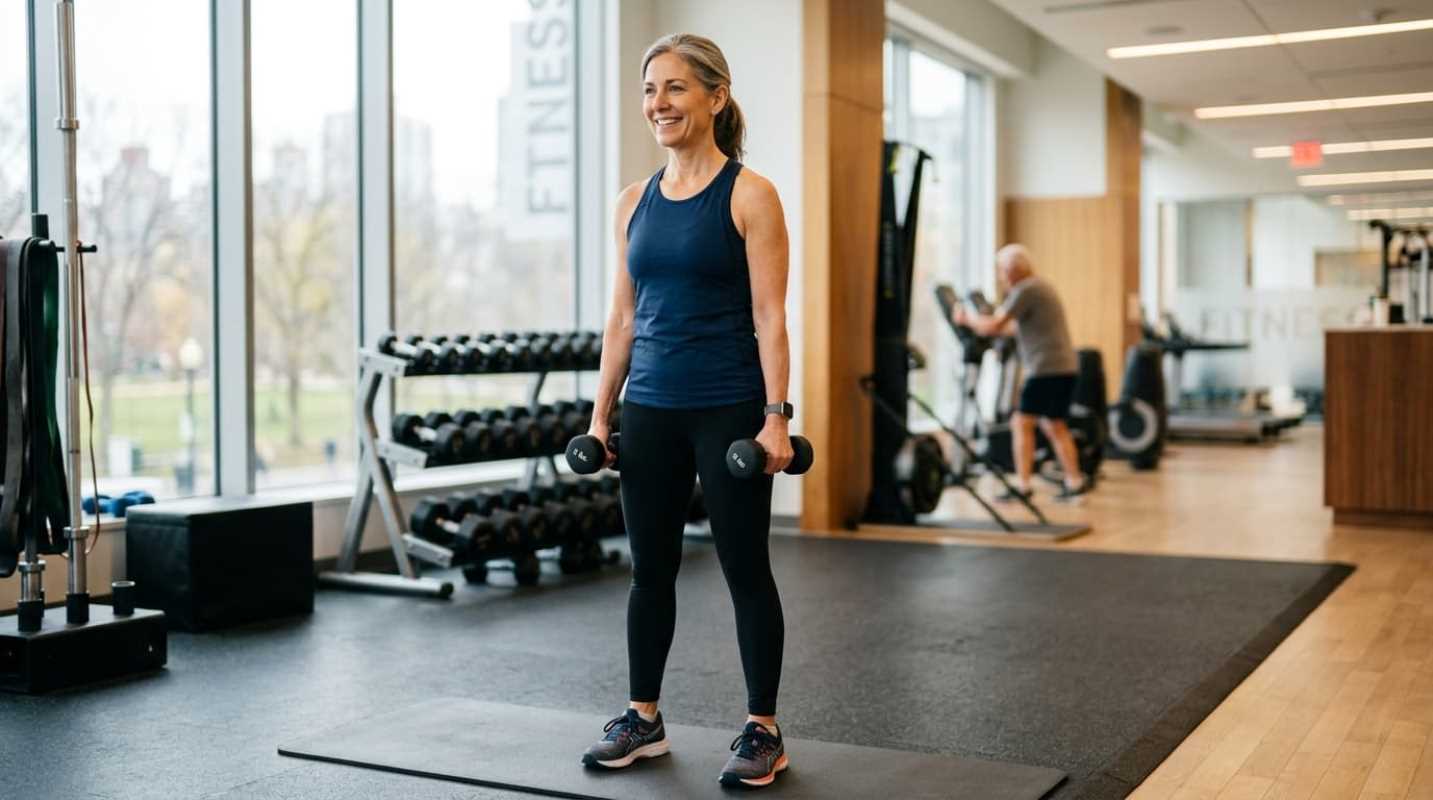
Have you ever been told your blood pressure is creeping up? It happens to millions of us. High blood pressure often sneaks in without a single symptom, which is why people call it a silent health threat. But here's the good news: you hold a lot more power over those numbers than you might think.
Recent clinical guidelines from the American College of Cardiology suggest that if you have Stage 1 hypertension, 3 to 6 months of dedicated lifestyle changes should be your first line of defense before starting medication.¹ So what does this actually mean for you? It means daily choices matter enormously.
You don't need to rewrite your entire life overnight. Real progress comes from simple daily tweaks that you can actually stick with over time. Consistency beats perfection every single time.
Dietary Changes to Lower Blood Pressure
For eating for a healthier heart, the DASH eating plan is the undisputed heavy hitter.³ DASH stands for Dietary Approaches to Stop Hypertension, and following it can drop your top blood pressure number by 8 to 11 mmHg.³ That's comparable to the effect of taking a prescription blood pressure medication.
So what goes on your plate? The approach rests on dialing back sodium while dialing up minerals that support your blood vessels.
• Sodium Cap: Try to keep total sodium under 2,300 mg per day. If you want an extra boost, cutting down to 1,500 mg can drop your top number by several more points.³ Reading nutrition labels on packaged foods is the fastest way to spot hidden salt.
• Potassium Boost: Aim for around 4,700 mg of potassium daily.³ Potassium helps your kidneys flush out extra sodium through your urine and eases tension in your arterial walls. Bananas, sweet potatoes, spinach, and cooked beans are fantastic options.
• DASH Servings: Aim for 4 to 5 daily servings of fruits, 4 to 5 servings of vegetables, and 2 to 3 servings of low-fat dairy.³ Swap refined grains for whole wheat options, and keep lean proteins like fish or poultry under 6 ounces per day.
Exercise Recommendations for Hypertension
Moving your body regularly works wonders for your circulatory system. When you move, your blood vessels expand and become more flexible over time.
For decades, doctors preached traditional cardio as the ultimate fix. Brisk walking, cycling, or swimming for 150 minutes a week can drop your systolic pressure by 4 to 8 mmHg. But newer research highlights another surprisingly effective tool: static muscle holds, also known as isometric exercises.
Static muscle exercises can drop your top blood pressure number by around 8 mmHg. When you hold a muscle in contraction without moving, it temporarily restricts local blood flow. When you release that hold, the fresh surge of blood triggers a wave of nitric oxide release, telling your blood vessels to relax.
Here are three simple ways to get moving:
• Aerobic Workouts: Aim for 30 minutes of brisk walking, swimming, or cycling, 5 days a week.
• Isometric Training: Try wall sits or plank holds. Do 4 sets of 2-minute holds with a couple of minutes of rest between sets, 3 to 4 days a week.
• Strength Training: Add dynamic resistance work, like squats or chest presses, 2 to 3 days per week to support long-term heart health.
The Power of Monitoring Blood Pressure at Home
Taking your blood pressure once every few months at a busy clinic doesn't give a clear picture of your actual health. Nervousness or stress can cause your numbers to spike at the doctor's office, a phenomenon known as white-coat hypertension.
Checking your numbers at home gives you reliable real-world data. But to get numbers you and your doctor can trust, you need proper technique and a good monitor.
• Choose the Right Cuff: Always use an automatic, digital upper-arm monitor verified by reliable validation registries. Avoid wrist and finger cuffs because they're notoriously inaccurate.
• Measure Your Arm: Wrap the cuff around your upper arm midpoint. A standard adult cuff fits arms measuring 27 to 34 cm around, while larger arms require an extra-large cuff. An incorrect cuff size can distort your reading by up to 15 mmHg.
• The 7-Day Protocol: Check your numbers for 7 days in a row before a doctor visit. Take 2 readings in the morning before eating or taking meds, and 2 readings at night before bed. Discard day 1 readings and average the rest.
• Rest and Position: Sit quietly for 5 full minutes with your back supported, feet flat on the floor, and arms resting on a table at heart level. Avoid caffeine, exercise, and smoking for 30 minutes before testing, and don't talk during the reading.
Keeping a physical log or using an app to record these readings gives your doctor a clear roadmap. It helps both of you see whether your lifestyle adjustments are working.
Sustainable Habits for Long-Term Success
Diet and exercise are huge pieces of the puzzle, but daily stress and sleep habits carry weight too.
Did you know that every single kilogram (about 2.2 pounds) of body weight you lose can lower your systolic pressure by about 1 mmHg? Losing even 5 percent of your total weight lightens the workload on your heart.
Alcohol and tobacco also play massive roles in vascular health. Cutting alcohol down to no more than one drink a day for women or two for men can shave off another 4 mmHg. Quitting smoking stops acute spikes in blood pressure and prevents long-term arterial damage.
Lastly, pay attention to your sleep and stress levels. Aim for 7 to 9 hours of restful sleep every night. Chronic stress floods your system with hormones that keep your heart working overtime. Spending 10 minutes a day practicing deep breathing exercises or simple meditation can bring those stress hormones back down to earth.
Your Path to a Healthier Future
Taking charge of your cardiovascular health doesn't mean turning your routine upside down overnight. Think of it as a series of simple choices that build momentum over time. A balanced meal today, a brisk walk tomorrow, and regular tracking next week all add up.
Before starting any new exercise program or major diet change, sit down with your doctor. They can help you set realistic goals tailored to your baseline and make sure your plan is safe.
With consistent home tracking, nutritious food choices, and regular daily movement, you can take control of your blood pressure and build a strong foundation for your long-term health.
Sources:
1. ACC Guideline Updates
https://www.acc.org/latest-in-cardiology/articles/2025/10/01/01/new-in-clinical-guidance-hbp
2. JournalFeed Guidelines Review
https://journalfeed.org/article-a-day/2025/new-2025-aha-acc-hypertension-guidelines/
3. DASH Diet Overview
https://www.ncbi.nlm.nih.gov/books/NBK482514/
*This article on tikritics is for informational and educational purposes only. Readers are encouraged to consult qualified professionals and verify details with official sources before making decisions. This content does not constitute professional advice.*