Have you ever walked into the living room and caught your child staring blankly at a news broadcast? Or maybe they came home from school asking a question about a war that left you completely frozen. In our current digital environment, shielding kids from global crises is practically impossible. If they do not hear about it from a television in the background, they will hear about it on the playground. They will scroll past it on social media.
According to the UNICEF Perception of Youth Mental Health Report, 6 in 10 Gen Z youth report feeling overwhelmed by news and events happening in their communities and the world. This sense of dread is not just a phase. It directly impacts their daily well-being and makes them feel completely powerless.
You might think the safest route is to avoid these hard topics entirely. But staying silent actually does the opposite of protecting them. When we do not talk to our kids, their minds fill in the blanks with worst-case scenarios.
By becoming your child's primary source of information, you build deep trust. You show them that the world can be scary, but they can always come to you to help them process their heaviest emotions.
The Art of Age-Appropriate Hard Conversations
How do you explain a complex global conflict without causing unnecessary panic? The secret is simple: you must tailor the details to their developmental stage.
Think of it like feeding them. You would not serve a toddler a whole steak, and you should not hand them the full, unedited weight of world news either.
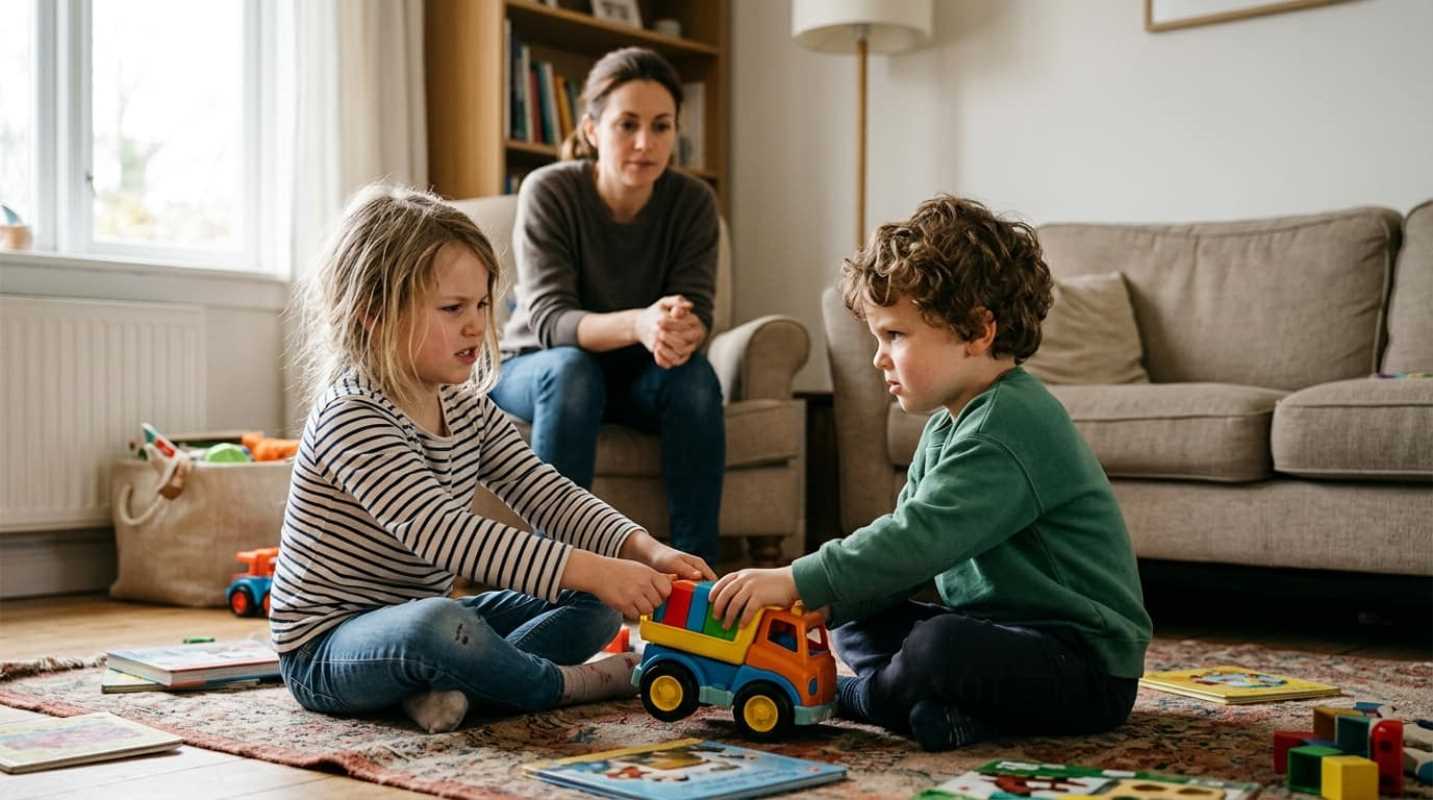
For kids aged three to six, the focus must be on absolute safety. Keep your explanations incredibly simple. If they ask about a distant war or a natural disaster, you can say: "There is a big fight far away, but you are safe here with us, and we are going to keep you safe." At this age, you should strictly protect them from graphic television images.
For elementary schoolers aged seven to eleven, their fears are highly literal. They often hear about a disaster and immediately worry: "Will that happen to my school next?" Give them direct, honest, but brief facts.⁵ Point out the helpers, like firefighters, doctors, and volunteers, to show them that good people are actively working to fix the problem.
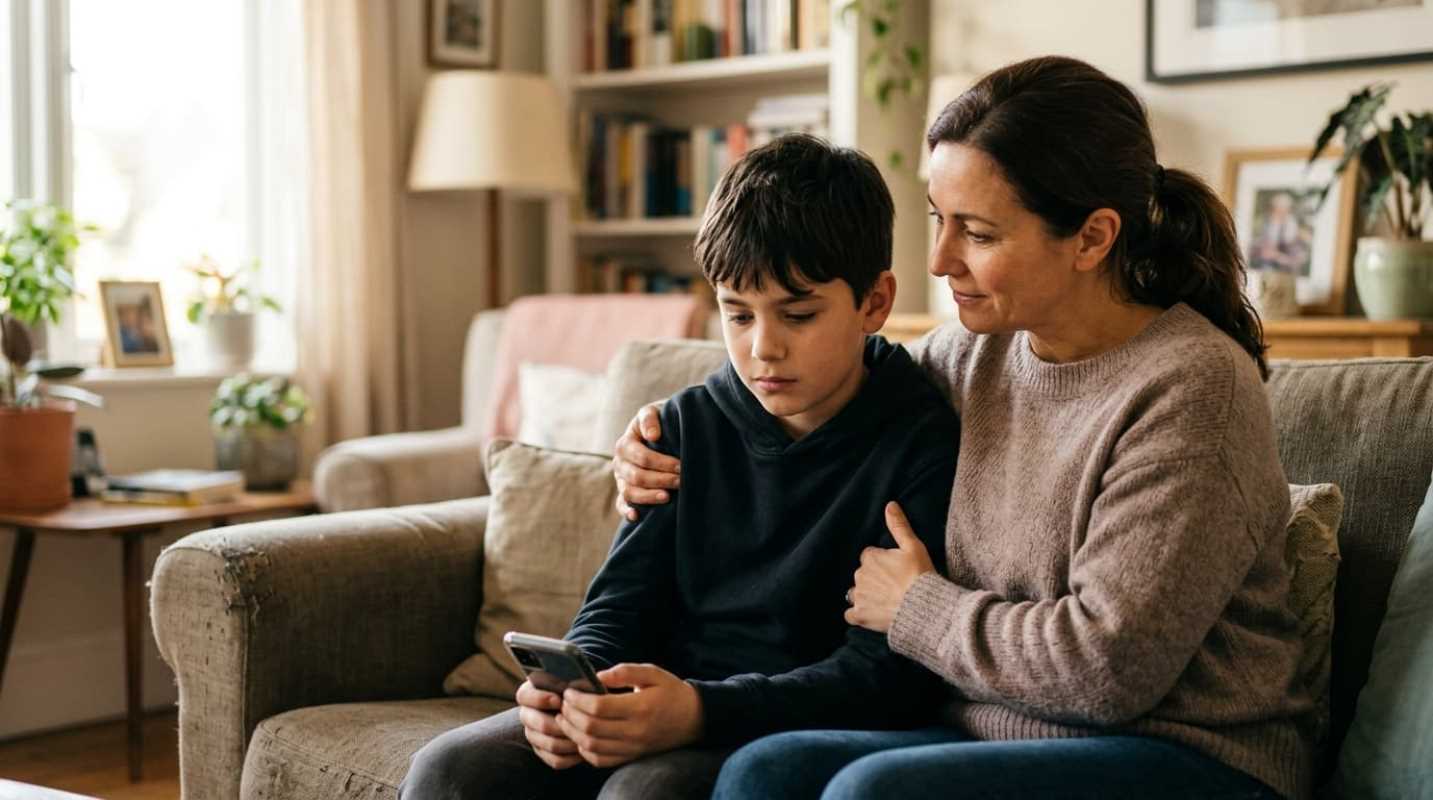
For teenagers, the game changes. They are likely getting their news directly from TikTok, Instagram, or YouTube, where misinformation runs rampant. Instead of lecturing them, ask what they think about current events. Use this as a chance to co-view reputable sources and teach them how to spot fake news.
The "less is more" rule is your best friend here. Answer only what they actually ask. If they ask a simple question, give a simple answer. Do not offer extra, graphic details that they did not ask for, as this can cause unnecessary trauma.
Managing Child Anxiety and Creating a Safe Space
Anxiety does not always look like worry. In children, it often shows up as stomachaches, headaches, sudden irritability, or trouble sleeping.
Recent pediatric health databases show that 1 in 5 children in the U.S. has a diagnosable mental, emotional, or behavioral disorder, with roughly 11% actively diagnosed with anxiety.¹ When major world events dominate the airwaves, these baseline numbers can spike quickly.
Even eco-anxiety is on the rise. A YouGov and Greenpeace survey found that 78% of primary school children are worried about climate change, with more than a quarter saying they are very worried.²
When your child expresses these fears, do not dismiss them with a quick reassurance that everything will be fine. Although you want to comfort them, brushing off their feelings can make them feel isolated.
Instead, validate their emotions. You can say: "It makes sense that you feel scared. It is a big problem, and I feel sad about it too sometimes."
Once you validate their feelings, lean heavily into routine. Predictability is a powerful antidote to anxiety. Keeping regular bedtimes, family dinners, and weekend rituals gives children a sense of physical security when the wider world feels chaotic.
Actionable Steps to Help Your Children
The best way to combat feelings of helplessness is to take action. When children feel like they can do something to help, their anxiety often begins to fade.
We saw this clearly during recent political cycles. An APA poll found that 77% of adults were stressed about the future of the nation, and this anxiety heavily trickled down to kids.⁴ A KidsHealth poll revealed that 75% of children believed the election outcome would directly change their lives.
To counter this stress, you can help your children move from passive worry to active participation.
Here are a few ways to build agency in your home
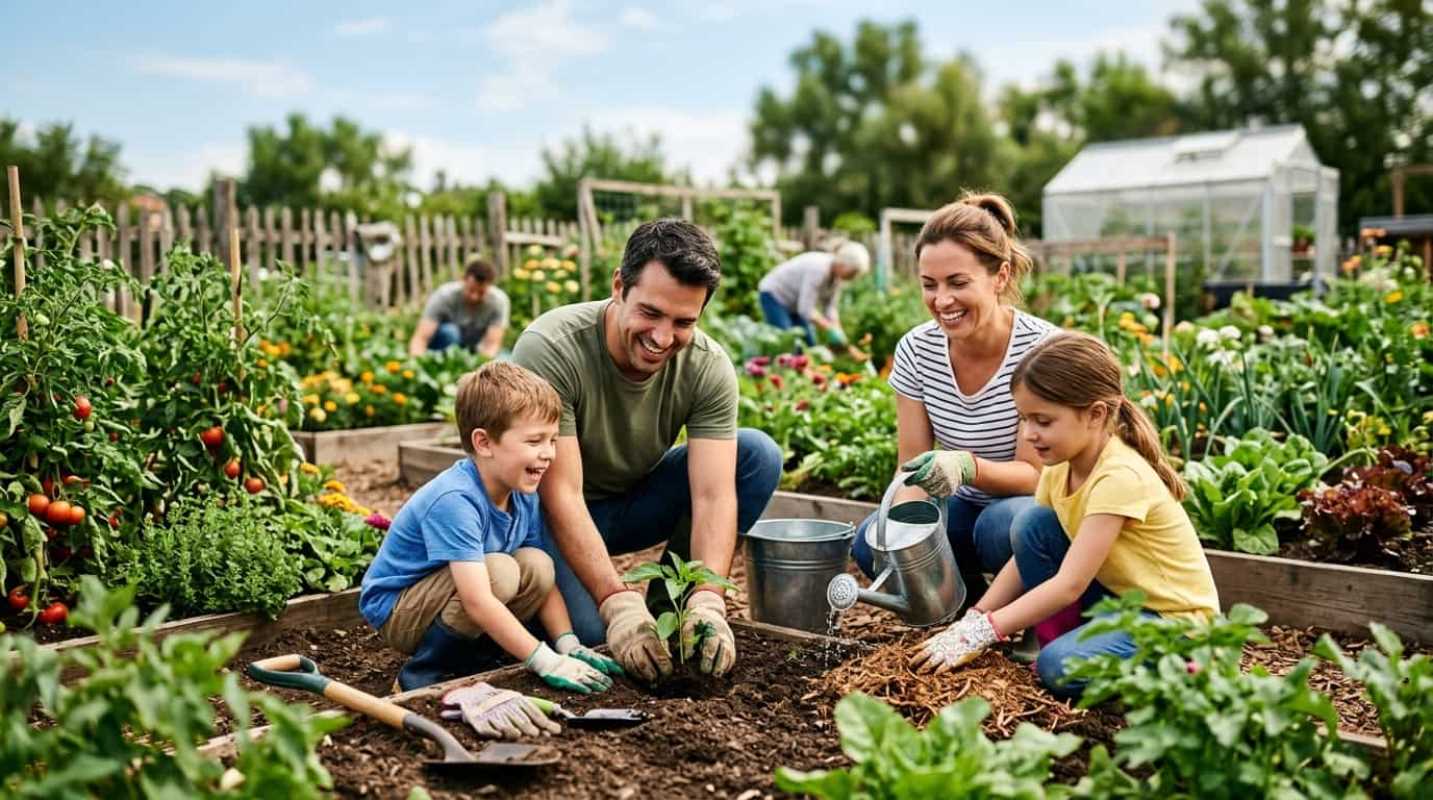
• For Climate Anxiety: Start a family recycling program, plant a small vegetable garden, or participate in a local park cleanup.
• For Conflict or Disaster Anxiety: Help them organize a small bake sale, write letters to displaced kids, or put together donation care packages.
• For Community Stress: Volunteer at a local food bank or help an elderly neighbor with their yard work.
Also, you must establish clear media boundaries. Do not leave the television news running as background noise in your home. For older kids, create tech-free zones, especially at the dinner table and in their bedrooms at night. Encourage them to take conscious breaks from scrolling through negative headlines.
Building Resilience Through Ongoing Dialogue
Before you start any of these tough conversations, remember to check your own emotional pulse. Dr. Marsha Richardson from Penn GSE emphasizes that parents are the primary models for emotional regulation.³ If you approach your child while you are visibly panicked, angry, or crying, they will quickly internalize that their environment is fundamentally unsafe.
Take a deep breath, calm your own nervous system, and decide on your core message before you speak.
These difficult world events are not just crises. They are also great opportunities to teach your family's core values, like empathy, kindness, and resilience.
Let your kids know that your door is always open for their hardest questions. You do not need to have all the answers. Simply being willing to sit with them in their uncertainty is enough.
You are their anchor in a stormy world. By facing these hard conversations together, you teach them that they do not have to walk through scary times alone.
Sources:
1. Pediatric Mental Health Statistics
https://www.emorahealth.com/research/pediatric-mental-health-statistics
2. Majority of Under 12s Worried About Climate Change
https://www.greenpeace.org.uk/news/majority-of-under-12s-worried-about-climate-change-survey-shows/
3. Tips for Explaining War to Children
https://publications.gse.upenn.edu/issue/spring-summer-2024/6-tips-for-explaining-war-to-children/
4. Talking to Children About the Election
https://www.apa.org/topics/politics/talking-children-election
5. How to Talk to Your Kids About the News
https://childrensdayton.org/onoursleeves/how-talk-your-kids-about-news/
*This article on Tikritics is for informational and educational purposes only. Readers are encouraged to consult qualified professionals and verify details with official sources before making decisions. This content does not constitute professional advice.*
.jpg)