How many times have you looked around your living room and noticed everyone is staring at a different screen? It is the classic modern setup. You are on your laptop, your teenager is scrolling social media, and your youngest is glued to a tablet. We are physically in the same room, but we are lightyears apart.
What if you could break that digital bubble with one simple habit?
Volunteering together as a family is one of the most effective ways to change this dynamic. It gives you a shared purpose that gets everyone out into the real world. Instead of just talking about kindness, you actually show your kids how it works.
Research from the National Council for Voluntary Organisations shows that children are much more likely to volunteer as adults if they see their parents doing it first. You are basically writing the playbook for their future behavior.
Why Volunteering Together Changes Everything
When you volunteer as a family, you shift the focus away from daily schedules and school pressures. You step into a space where everyone works on the same level. Your kids get to see you as a real person who cares about the world, not just as the parent who nags them to clean their room.
It is also a great way to escape the digital trap. We spend so much time reacting to notifications and online noise. Working together on a physical project, like planting trees or sorting food donations, pulls everyone back into the present moment.
So what does this actually mean for your family dynamic? It means you build a library of shared memories that do not involve a screen. You will have stories to tell at dinner about the time you got muddy cleaning up a park or the interesting people you met at a food pantry.
The Life-Long Benefits of Volunteering for Children
Let's look at what actually happens when kids get involved in community service. The benefits go far beyond just feeling good.
A major study from March 2026 by The Allstate Foundation and Gallup found that youth service builds key life skills, specifically career readiness, connection, and resilience.¹ ² The numbers are eye-opening. About 52% of young people said volunteering helped prepare them for a future career by building skills like leadership and teamwork.¹
Even better, 79% felt deeply connected to their community, and volunteers reported a much higher sense of personal belonging (74% compared to just 56% for non-volunteers).¹
Then there is resilience. When life gets tough, kids who volunteer are better equipped to handle it. The study showed that 66% of youth volunteers felt they could handle whatever came their way, compared to 52 of non-volunteers.¹
But what about physical and mental health?
A massive study by UTHealth Houston analyzed data from nearly 52,000 children and teens.³ The results were clear. Kids who volunteered in the past year were 18% to 35% less likely to experience anxiety, depression, or behavioral problems.³ They were also 66% more likely to be flourishing, which means growing in their daily emotional, physical, and social lives.³
So what is happening in the brain when we help others? Dr. Susan Albers, a psychologist at the Cleveland Clinic, explains that volunteering triggers the reward center of the brain. It releases a rush of feel-good chemicals like endorphins, dopamine, and serotonin. It is a natural stress-buster that helps kids build emotional strength.
Brandy Jemczura, who founded the nonprofit Seeds of Caring, points out that volunteering is a powerful way to fight the decline in empathy we see in younger generations.⁴ By meeting people from different backgrounds, kids learn to look past their own immediate needs and think about the wider world.
Practical and Fun Family Volunteering Ideas
You might think that finding volunteer opportunities for kids is tough, especially since many traditional charities require volunteers to be 18. But you do not have to wait until your kids are adults to get started. You just need to match the task to their age.
Here is a quick guide to age-appropriate ideas:
• Toddlers and Preschoolers (Ages 2 to 5): Keep tasks hands-on, short, and highly visual. You can have them draw holiday cards for local senior centers, pick up litter using kid-friendly grabbers during a park walk, or make seed balls out of mud and wildflower seeds to toss into empty green spaces.
• Elementary School (Ages 6 to 10): Kids at this stage love sorting and organizing. Try sorting non-perishable goods at a local food pantry, participating in a neighborhood cleanup, or baking treats for a local fire station.
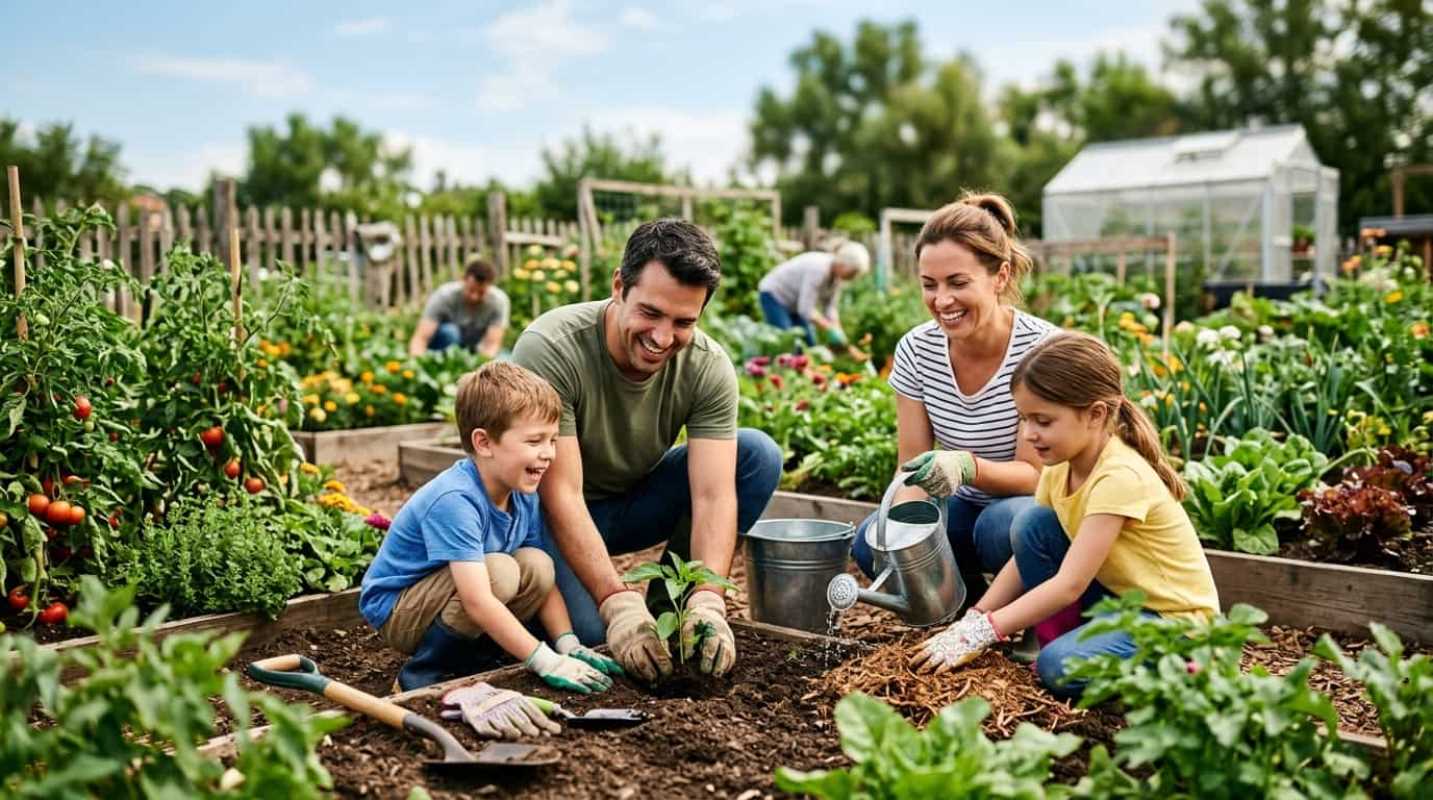
• Middle and High School (Ages 11 and up): Older kids can take on real leadership. They can tutor younger students, walk dogs at an animal shelter, plant veggies in a community garden, or help elderly neighbors with yard work or technology.
If you want to find structured programs that are built specifically for families, you have some great options. These groups, along with local organizations like Generation SERVE, make it easy to find activities that fit your schedule and your kids' ages.⁵
How to Successfully Launch Your First Project
If you are ready to take the plunge, how do you make sure your first project does not end in a meltdown? Have you ever tried to drag an unwilling child to an event? It is not fun for anyone.
First, let your kids help choose the project. If they love animals, start with something related to pets. If they are obsessed with nature, look for outdoor cleanups. When they have a say in the decision, they are much more likely to stay engaged.
Second, keep your expectations realistic. You do not need to sign up for a weekly ten-hour commitment. A single Saturday morning or even a 30-minute neighborhood cleanup is a fantastic start. Keep it short and low-pressure.
Finally, prepare your kids for what to expect. If you are going to a new place or meeting new people, talk about it beforehand. Let them know who they will meet and what they will be doing so they feel confident when they arrive.
Making Community Service with Kids a Lasting Habit
Getting started is great, but the goal is to make service a normal part of your family life.
Recent data shows that volunteering is making a massive comeback. Formal volunteering has rebounded to 28.3%, and over 54% of Americans are helping out informally, like assisting neighbors or cleaning up local spaces. Service is becoming a daily habit for millions.
When you volunteer, you are also making a real economic difference. The estimated value of a single volunteer hour reached $36.14 in 2026. Every hour your family spends helping out is a direct investment in your community.
To make this habit stick, try these simple approaches:
• Talk about it on the way home: Ask your kids how they felt about helping, what they learned, or what their favorite part was. This reflection helps lock in the mental health benefits.
• Celebrate the small wins: You do not have to solve major global issues in an afternoon. Celebrate the simple act of showing up and helping one person.
• Practice quiet kindness: Teach your kids that helping does not require a big audience. Shovel a neighbor's sidewalk or pick up trash in a park without expecting a thank-you.
Over time, these small actions will become a natural part of who your kids are. You will not just be spending quality time together, you will be raising the next generation of compassionate, resilient changemakers.
Sources:
1. New National Data Show Youth-Led Service Linked to Confidence and Career Readiness
https://www.allstatenewsroom.com/news/new-national-data-show-youth-led-service-linked-to-confidence-and-career-readiness/
2. Service and Volunteer Work Linked to Key Benefits for Youth
https://news.gallup.com/poll/702380/service-volunteer-work-linked-key-benefits-youth.aspx
3. Kids' Mental Health Benefits From Volunteering
https://www.healthday.com/health-news/general-health/kids-mental-health-2660669676.html
4. Empathy in Action: Why Volunteering With Kids Today Shapes a Better Tomorrow
https://charitableadvisors.com/empathy-in-action-why-volunteering-with-kids-today-shapes-a-better-tomorrow/
5. Generation SERVE Programs
https://www.generationserve.org/programs/
.jpg)