 (Image via
Air travel has evolved significantly over the last few years, and 2026 brings a fresh wave of changes to how airlines structure their costs. While the ticket price might look attractive at first glance, the final total often tells a different story once extras are added. But don’t worry! We are here to help you navigate these updates with ease.
The Evolution of "Unbundled" Fares
The trend of unbundling—separating the base fare from perks like bags and meals—has reached new heights this year. Airlines are moving toward a highly personalized pricing model. This means the days of a flat fee for a checked bag or a specific seat are fading fast. Instead, costs fluctuate based on demand, route, and when you decide to pay.
Here is what you need to look out for regarding specific fee categories in 2026.
1. Dynamic Baggage Pricing is Here
In the past, you could usually count on a standard fee for your first checked bag, perhaps $30 or $35. In 2026, many major carriers have adopted dynamic pricing models for luggage.
What has changed?
Airlines now use algorithms to determine baggage fees based on the specific flight’s load factor and the time of booking.
- Timing Matters: Adding a bag during your initial booking is significantly cheaper than adding it during online check-in.
- Demand-Based Costs: Checking a bag on a peak holiday flight or a busy Monday morning route may cost more than on a quiet Tuesday afternoon flight.
- Carry-On Restrictions: Basic Economy fares on more airlines now strictly prohibit full-sized carry-ons, or charge a premium to bring them on board.
How to manage it
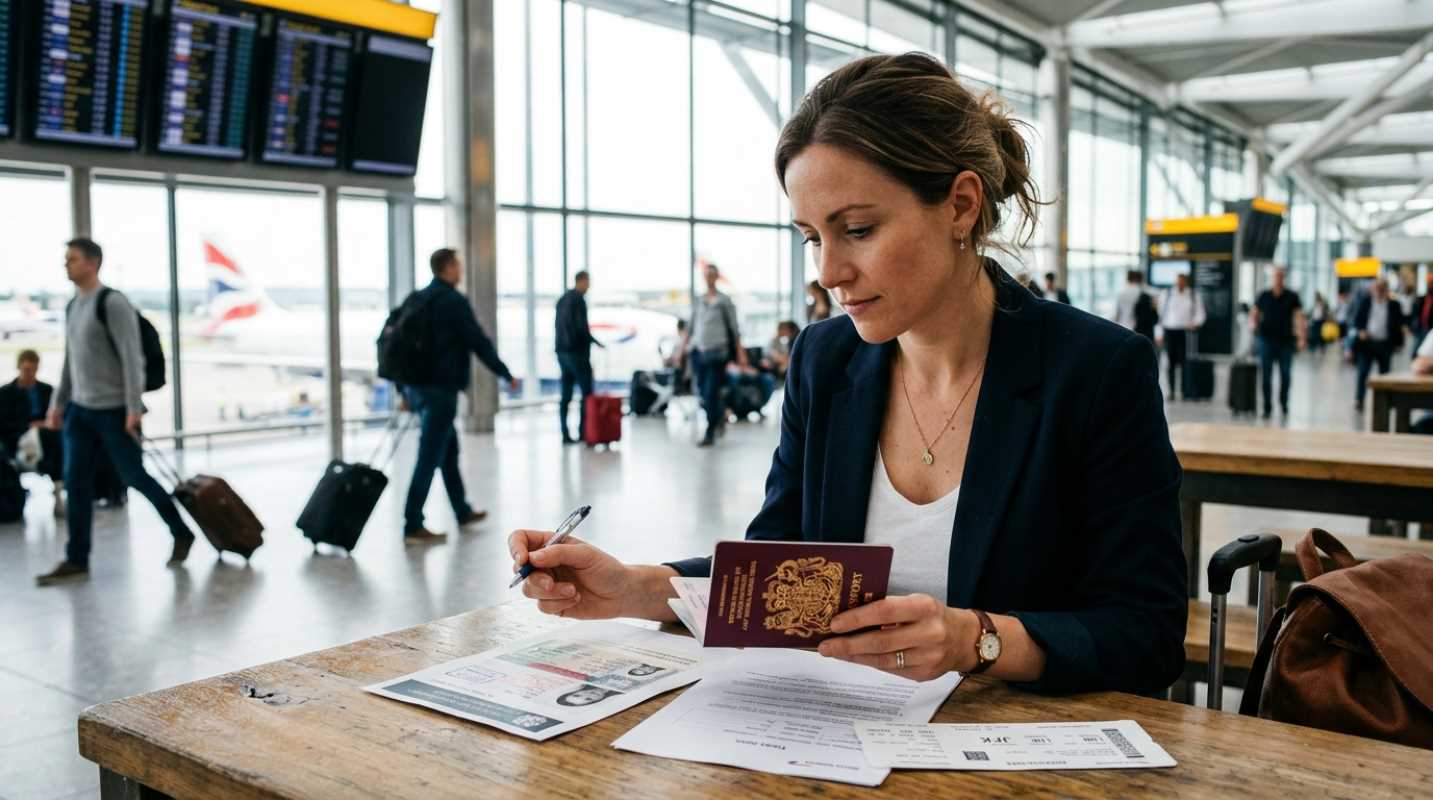
Always assess your baggage needs the moment you buy your ticket. If you think you might need a checked bag, pay for it upfront. Waiting until you get to the airport kiosk could result in a fee that is double the online price.
2. The Rise of Eco-Contribution Surcharges
Sustainability is a massive focus for the aviation industry in 2026. To meet aggressive carbon-neutral goals, carriers are investing heavily in Sustainable Aviation Fuel (SAF) and carbon offset programs. Consequently, you will notice new line items on your receipt.
Understanding the "Green Fee"
Some airlines have introduced mandatory "Eco-Contribution" fees on shorter, regional flights where alternative transportation (like trains) exists. On long-haul international flights, these fees often appear as tiered options during checkout, allowing you to choose your contribution level to offset your specific seat's carbon footprint.
While this might increase the upfront cost, it supports vital environmental initiatives that keep the skies cleaner for future generations of travelers.
3. Seat Selection: Prime Real Estate Costs More
We all love a window seat or a bit of extra legroom. However, the definition of a "premium" seat has expanded. It is no longer just about Economy Plus or Exit Rows.
Granular Seat Pricing
Airlines have mapped their cabins down to the inch.
- Front-of-Cabin Fees: Even standard economy seats located in the first few rows of the main cabin now command a higher selection fee because they allow you to deplane faster.
- Aisle vs. Middle: On high-demand flights, an aisle seat might cost a few dollars more than a middle seat in the same row.
- Family Seating Guarantees: On a positive note, regulatory pressure has led several airlines to waive seat selection fees for parents traveling with children under 12, ensuring families sit together without extra costs.
4. Wi-Fi and Entertainment Subscriptions
Staying connected above the clouds has never been faster, but the payment models are shifting. The old model of paying $10 for a generic "flight pass" is being replaced by speed-tiered packages and subscription partnerships.
The New Connection Model
- Streaming vs. Browsing: You will often see separate price points for basic messaging/browsing and high-speed streaming capabilities suitable for 4K video.
- Loyalty Perks: Many carriers now offer free high-speed Wi-Fi exclusively to members of their loyalty programs. If you aren't a member, you pay full price.
- Subscription Bundles: Frequent flyers can now purchase monthly Wi-Fi subscriptions valid across specific airline alliances, rather than paying per flight.
5. Flexibility and Change Fees
The "no change fee" era that began earlier in the decade has evolved. While main cabin tickets often retain flexibility, the rules for the cheapest fares have tightened.
The Return of Strict Basic Economy
If you purchase the absolute lowest fare class (often called Basic Economy or Saver), be aware that in 2026, these tickets are frequently non-changeable and non-refundable.
- Standby Fees: Some airlines have reintroduced fees for same-day standby requests if you are on a basic fare.
- Credit Expiration: If you do have a flexible ticket and cancel for travel credit, pay close attention to the expiration date. Some credits are now valid for only six months rather than a full year.
Actionable Tips to Minimize Extra Costs
Now that you know what to expect, let’s look at how you can keep your travel budget in check. A few strategic moves can save you a significant amount of money.
Join the Loyalty Program
This is the single easiest way to save. Joining an airline’s frequent flyer program is free and instantly unlocks perks. Even entry-level members often get discounts on Wi-Fi, priority boarding (which secures overhead bin space), and better support during disruptions.
Pack Smarter with "Personal Item" Only
For short weekend trips, challenge yourself to pack everything in a backpack that fits under the seat in front of you. This completely bypasses carry-on and checked bag fees. Using compression packing cubes can maximize this small space surprisingly well.
Bundle Up
If you know you will check a bag and want a specific seat, look for "bundled" fare options during checkout. Often, upgrading from Basic Economy to Main Cabin costs less than buying the Basic fare and adding a bag and seat selection separately.
Get a Co-Branded Credit Card
If you fly even two or three times a year, an airline co-branded credit card often pays for itself. These cards typically include a free checked bag for you and companions on the same reservation, which can save a family of four over $200 on a round-trip flight.
Read the Fine Print on "Aggregator" Sites
When booking through third-party travel sites, the initial price rarely includes bags or seat selection. Before you click "pay," verify what is included. Sometimes booking directly with the airline offers better transparency and easier management of extras.